


Best Practices for ATM Security
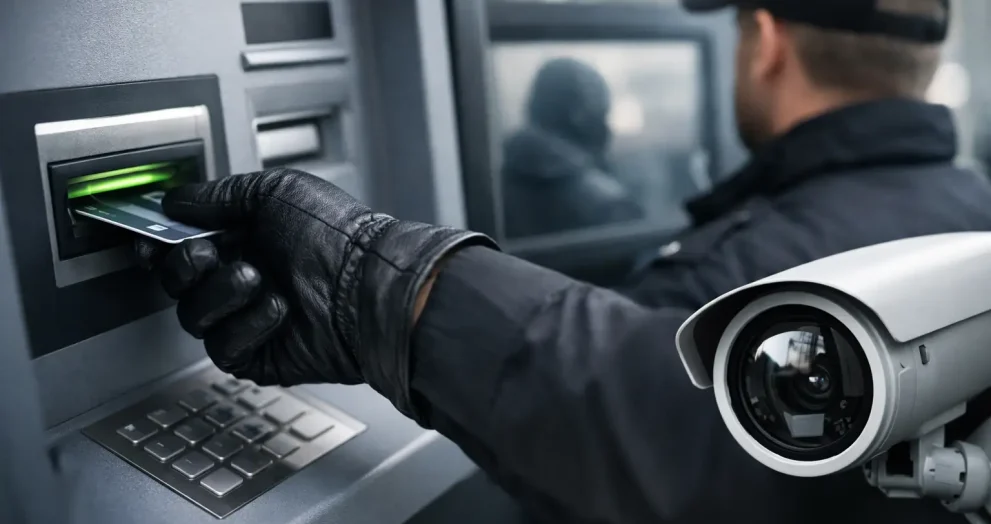
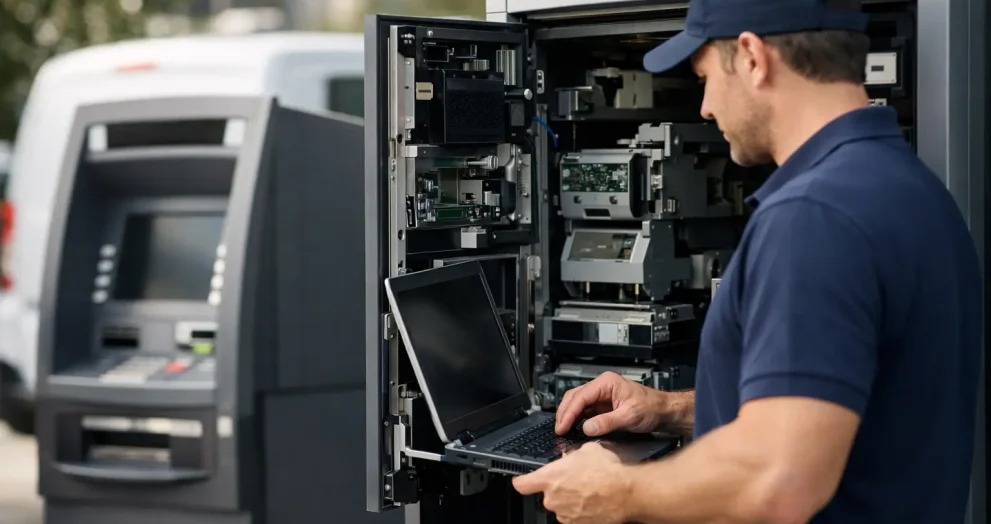
Best practices for ATM security start with layered controls across hardware, software, networks, cash handling, and field service operations.
ATM fleet management guide for operators covering uptime, cash, security, service models, and data practices that improve network performance.
A practical look at the best ATM monitoring tools, including alerting, device visibility, security, cash status, and service workflow fit.
ATM vendor comparison analysis should go beyond product sheets. Compare service depth, software strategy, security, and lifecycle risk.
Remote ATM diagnostics benefits include faster triage, fewer truck rolls, better uptime, and clearer service data for ATM fleet operations teams.
ATM field technician productivity depends on dispatch quality, parts access, diagnostics, and service design that reduce repeat visits and idle time.
XFS interoperability in ATMs still shapes fleet flexibility, service models, and upgrade risk across mixed hardware, software, and vendor environments.
ATM security compliance trends are shifting toward software control, stronger encryption, and tighter fleet governance across banking operations.
The ATM industry has been evolving steadily over the past decade, shaped by changes in consumer behavior, security requirements, and the growing complexity of self-service systems. While the role of cash in many markets is gradually shifting, ATMs remain a critical part of financial infrastructure—especially in regions where access to physical banking services is limited or where cash usage remains strong.
Hyosung continues to promote its 9L self-service platform as part of a broader focus on cash automation and branch transformation, emphasizing speed, usability, and operational efficiency in modern banking environments.