

Can ATMs Dispense Mixed Denominations Today?

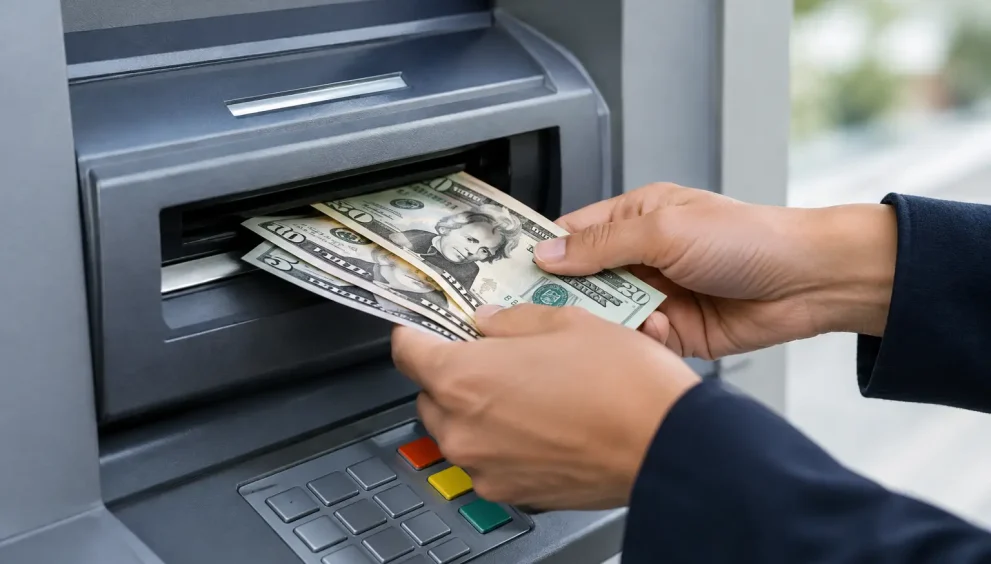
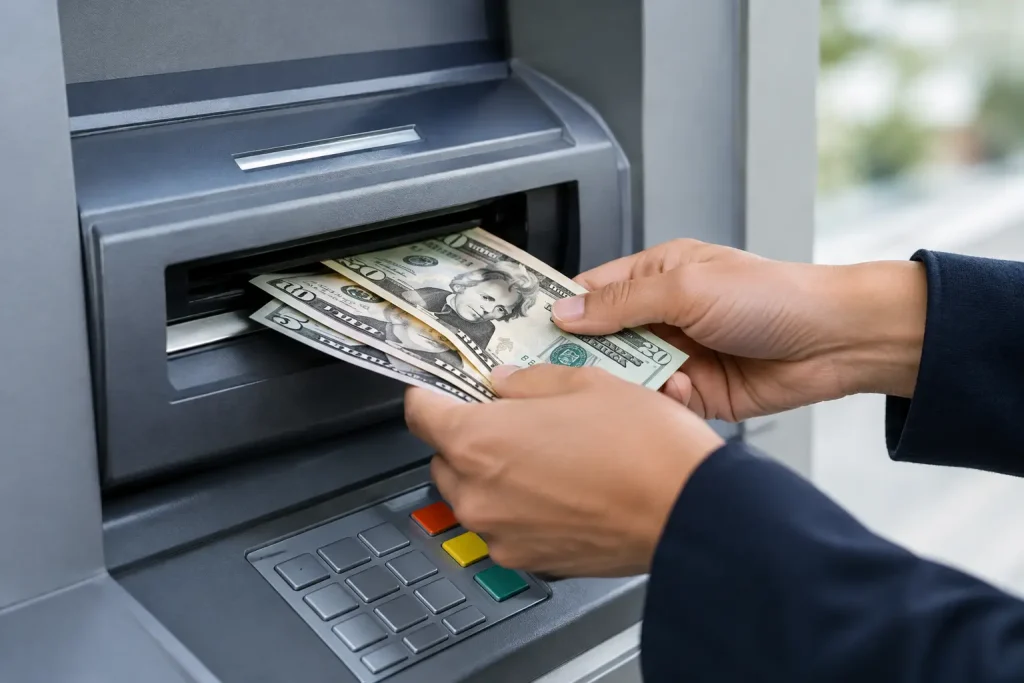
A $280 withdrawal does not have to mean fourteen $20 notes. Where the machine is configured, funded, and integrated to support it, a customer may receive a combination such as two $100s, three $20s, and one $20 or $10 note. But can ATMs dispense mixed denominations consistently across a fleet? The answer is yes, with significant operational qualifications. The capability depends less on the customer-facing screen than on cash cassette configuration, dispenser hardware, transaction software, note inventory, and the operating rules set by the deployer.
For financial institutions and independent operators, mixed-denomination dispensing is not simply a convenience feature. It can affect cash utilization, replenishment frequency, customer satisfaction, cassette planning, and the rate at which particular denominations become stranded in the machine. A poorly planned implementation can create more cash-management exceptions than value.
Can ATMs Dispense Mixed Denominations?
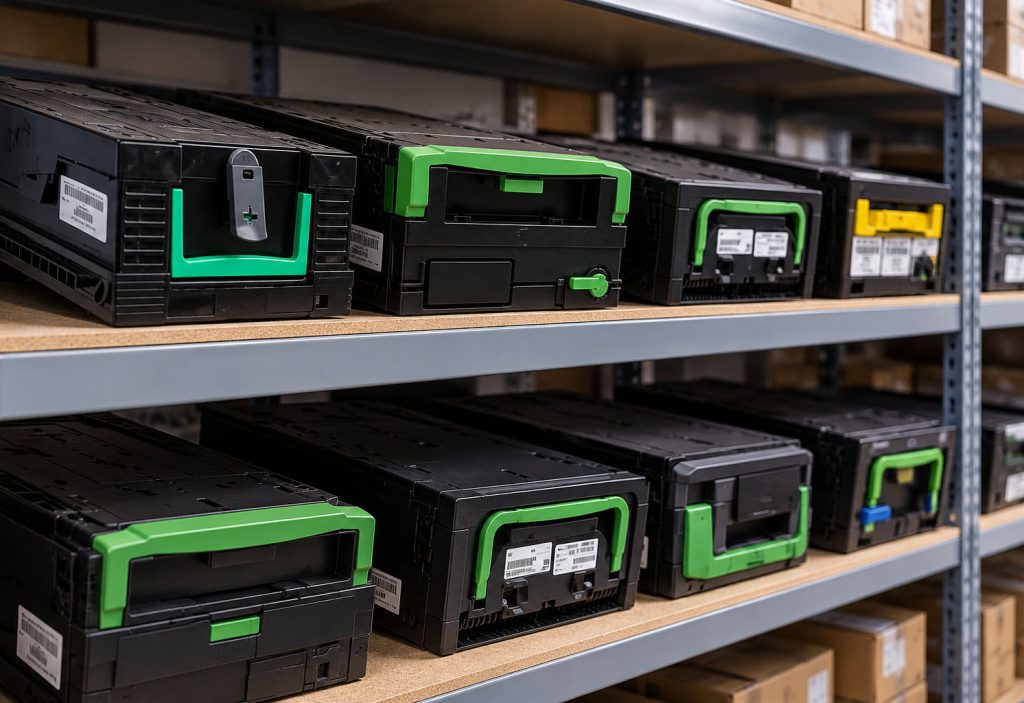
Most modern ATMs equipped with multi-cassette dispensers can dispense mixed denominations. Each cassette is assigned a note value, and the dispenser control software selects a combination of notes that matches the requested amount while staying within available inventory and configured dispensing limits.
A common four-cassette arrangement might carry $20s, $50s, and $100s, with the fourth cassette allocated to another value or used as a reject cassette depending on the hardware and deployment design. A more flexible configuration could include $10s, $20s, $50s, and $100s. The available mix is therefore determined by what is physically loaded, not by a universal ATM standard.
The machine also needs application logic capable of calculating and authorizing a valid note combination. In a basic setup, the software may prioritize a default denomination, such as $20 notes, then substitute higher values as withdrawal amounts rise. More advanced configurations can optimize for fewer notes, protect lower-denomination inventory, manage cassette depletion evenly, or apply rules based on the location and transaction profile.
The distinction matters. An ATM may hold several denominations but still dispense only one denomination for most transactions if its rules are conservative or its host application presents only fixed withdrawal options.
The Hardware and Software Behind the Note Mix
Mixed dispensing starts with the cash dispenser or recycler. Conventional dispensers draw notes from denomination-specific cassettes, transport them through the note path, count them, and present the completed stack to the customer. The dispenser controller reports cassette status, rejects, pick failures, and remaining note counts to the ATM application and, depending on the architecture, upstream monitoring platforms.
The application requests a bill mix from the dispenser based on the approved withdrawal amount. That request must account for several limits: notes available by cassette, maximum notes per transaction, maximum notes that can be reliably presented, and minimum retained inventory rules. If the preferred combination cannot be made, the application may select another valid mix or decline the transaction.
Middleware and device interfaces play a practical role here. In environments using standard device-service frameworks, the application can obtain denomination and cassette-status information through the device layer. However, the degree of control available to the ATM application varies by hardware model, software stack, and vendor implementation. A fleet modernization project should not assume that a nominally compatible dispenser exposes the same denomination-management functions as an existing estate.
Cash recyclers add another dimension. Because deposited notes can be validated, stored, and later reissued, a recycler can support mixed denominations with less dependence on armored replenishment for certain sites. But it also introduces different constraints around note fitness, validation rules, recycling cassette capacity, and the local mix of deposits and withdrawals. A branch recycler receiving mostly $20 deposits will not solve a demand pattern dominated by $100 withdrawals.
Why the Capability Is Not Universal
The obvious limitation is cassette count. A machine carrying only $20s cannot create a mixed payout. Yet even four-cassette machines are often configured around operational simplicity rather than denomination variety. One cassette may be reserved for rejects, a denomination may be duplicated to increase capacity, or an operator may choose a narrow mix because the site has predictable withdrawal behavior.
Transaction amounts matter as well. If a consumer requests $70 and the machine holds only $20s and $50s, it cannot fulfill the amount. Adding $10s expands the set of possible amounts, but it also consumes cassette capacity and can increase the number of notes required for common withdrawals. The right denomination set for a high-volume convenience retail ATM may differ materially from the right set for a bank branch, university, casino, or transit location.
Dispense algorithms can also be intentionally restrictive. Operators may configure a machine to favor larger notes to reduce note count and extend cassette life. Others may favor $20s because customers expect them, merchant acceptance is broad, and they reduce complaints associated with receiving larger bills. Neither policy is universally correct. The decision should follow transaction history, nearby cash-use patterns, replenishment economics, and customer-service objectives.
There is also a reliability consideration. Every denomination used in active service must meet note-quality standards. Soiled, folded, worn, or incorrectly loaded notes can increase rejects and mispicks. Introducing more active denominations raises the importance of disciplined cash handling, cassette loading controls, reconciliation, and field diagnostics.
Operational Trade-Offs of Mixed-Denomination Dispensing
The strongest case for mixed denominations is usually customer choice and cash efficiency. When customers can withdraw exact or near-exact amounts, they may take less excess cash and have fewer reasons to seek an alternate machine. Giving a $100 withdrawal as one $100 note rather than five $20s also reduces the physical notes consumed per transaction.
That benefit must be weighed against inventory fragmentation. A cassette holding $10s may become depleted quickly at a site where users select exact amounts. Conversely, a $100 cassette may remain underused where customers favor smaller withdrawals. In either case, the operator can face a machine with adequate total cash but insufficient inventory to serve popular withdrawal amounts.
Mixed dispensing can complicate cash forecasting because the relevant measure is no longer just total cash on hand. Forecasting must estimate demand by denomination, transaction amount, day of week, pay-cycle timing, and location. A network may show healthy aggregate cash levels while individual cassettes approach stockout.
Service teams need visibility into those conditions before they become customer-facing failures. Remote monitoring should distinguish low-cash warnings by cassette, track reject behavior by denomination, and identify devices repeatedly falling back to less desirable note mixes. Field teams also need accurate cassette mappings. A denomination configuration error can produce failed transactions, incorrect dispensing exposure, and lengthy reconciliation work.
Designing a Practical Denomination Strategy
A sound strategy begins with transaction data, not with a generic preference for more denominations. Operators should examine requested withdrawal amounts, actual dispensed mixes, note-count distributions, partial-decline events, and cassette depletion patterns at the individual terminal level. Location clusters can be useful, but high-variance sites should be assessed separately.
The first decision is whether the site needs exact-amount flexibility or primarily needs efficient delivery of common amounts. A retail cash-access terminal with average withdrawals near $60 may be well served by $20s and a limited higher denomination. A branch lobby machine serving customers who withdraw uneven amounts may justify $10s alongside $20s, $50s, and $100s.
Next, establish clear priority rules. The system may prioritize the fewest notes, preserve a minimum number of $20s, avoid paying a transaction entirely in $100s, or use a balanced depletion approach across cassettes. These policies should be tested against historical transactions before broad deployment. A rule that appears efficient in a lab can create avoidable cassette stockouts during payroll periods.
Customer interface design deserves attention, too. Predefined amount buttons should align with the denomination strategy. If the ATM can technically dispense $90 but the screen only offers $40, $60, $100, and $200, much of the capability remains hidden. At the same time, offering too many choices can slow transactions and increase decision friction. The practical objective is a small set of relevant choices, supported by a clear custom-amount path where appropriate.
Mixed Denominations Are a Cash Operations Decision
Mixed-denomination dispensing is a mature capability, not an experimental one. Its success rests on how well the hardware configuration, software rules, cash forecasting, and field-service processes work together. A machine can dispense several denominations, but the real question is whether it can do so without creating frequent stockouts, excess cash holdings, or service exceptions.
For fleet operators, the most useful next step is to review denomination-level data from a representative group of terminals. The patterns will show whether a broader note mix solves a genuine service problem or merely adds another variable for cash operations to manage.