





How to Manage ATM Cassettes in Daily Operations

A cassette shortage at a cash-in-transit vault can delay replenishment across an entire service area. A cassette that is loaded with the wrong denomination, fitted with the wrong currency template, or returned without a clear custody record can create a much more serious problem: an out-of-balance terminal, a disputed cash position, or an avoidable service call. Knowing how to manage ATM cassettes is therefore less about storing hardware and more about controlling a critical part of the cash supply chain.
For banks, independent deployers, and service organizations, cassette management sits at the intersection of cash operations, field service, terminal configuration, and physical security. The most reliable programs treat the cassette as a controlled asset with a documented status from vault preparation through ATM installation, collection, reconciliation, and maintenance.
Start with cassette identity and custody
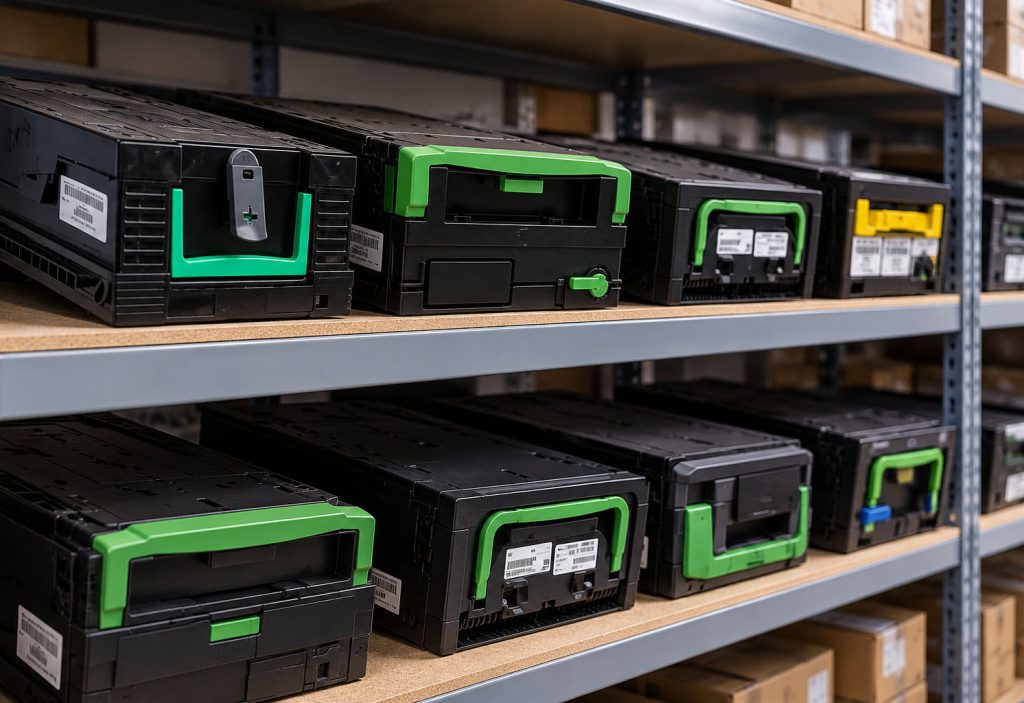
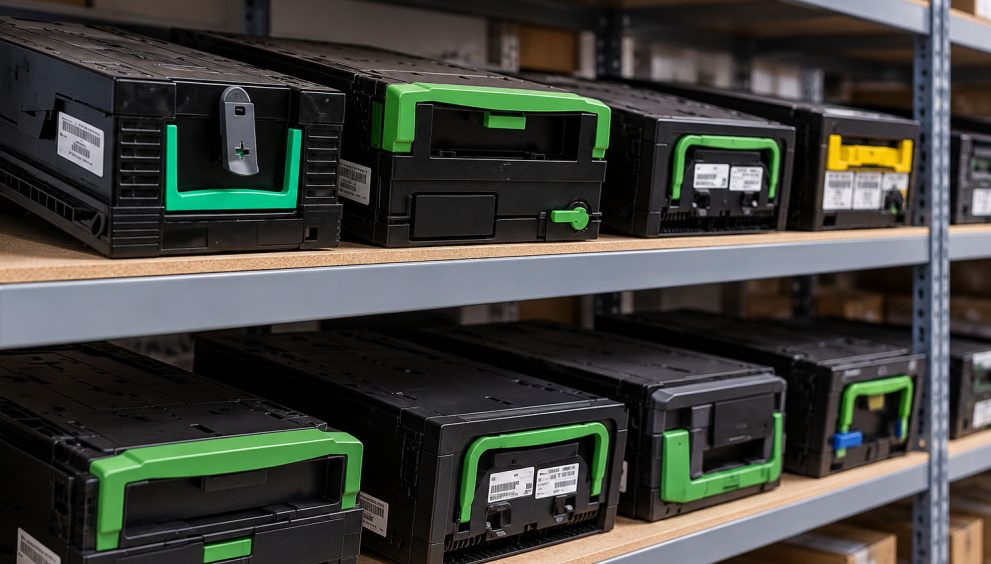
Every cassette should have a durable, unique identifier that is visible to vault staff and technicians and recorded in the relevant cash-management or service system. Serial numbers supplied by the manufacturer may be sufficient, but many operators add internal asset labels or barcodes to speed scanning and reduce transcription errors.
The record should identify the cassette type, supported denomination, terminal family or compatibility group, current status, assigned location, and maintenance history. Status definitions need to be unambiguous. For example, a cassette can be available, prepared, in transit, installed, returned, quarantined, under repair, or retired. A vague status such as “in use” does not tell operations whether the cassette is in an ATM, on a truck, or waiting for reconciliation.
Custody controls matter most at handoff points. Vault personnel should document release to the cash-in-transit provider or field technician. The receiving party should confirm both the cassette identity and the seal condition. On return, the same discipline applies. If the operating model uses dual control for cash preparation, it should extend to cassette release and exception handling rather than ending at the counting process.
The right level of control depends on fleet size, cash volumes, and contractual responsibilities. A small, locally managed fleet may use a tightly controlled manual log. A regional network with multiple vaults, carriers, and service providers will generally need barcode scanning and system-based chain-of-custody records. The principle is the same: no cassette should be unaccounted for between defined operational states.
Match the cassette to the terminal configuration
A cassette is not interchangeable simply because it fits into a dispenser. Terminal software, bill thickness settings, denomination mapping, currency templates, and cassette position all affect how the device dispenses and accounts for notes. A physically compatible cassette may still be operationally wrong for a particular terminal.
Before deployment, verify the cassette type and capacity against the ATM’s approved configuration. Confirm the denomination assigned to each cassette position, the currency code, note dimensions where applicable, and the parameters used by the dispenser to identify low-cash and empty conditions. These checks are particularly relevant after a terminal conversion, software update, dispenser replacement, or change in cash mix.
A common field issue arises when a cassette prepared for one terminal configuration is installed in another. The ATM may dispense correctly in some cases, but journal and electronic cash position records can be inaccurate. In other cases, the terminal rejects the cassette, reports a configuration fault, or generates repeated dispense errors. The apparent time saved by swapping available cassettes without validation is usually lost later in investigations and corrective visits.
Standardizing cassette assignments by terminal model and denomination reduces this risk. Where a fleet requires multiple cash mixes, use clear physical labels and system rules that distinguish them. Labels should identify the intended denomination and configuration group without disclosing information that creates an unnecessary security concern during transport.
Build discipline into cash preparation
Cash preparation is where cassette management becomes a financial control. Notes should be processed to the denomination, count, fitness standard, and cassette capacity specified for the terminal. Overfilling can produce feed failures, rejects, and shutter-related errors. Underfilling can shorten the service interval and increase transportation cost.
The preparation process should also account for the usable capacity of the cassette, not only its nominal capacity. Note condition, currency characteristics, and dispenser design affect how many notes can be loaded reliably. Operators that set replenishment quantities based only on theoretical maximum capacity often experience higher jam and reject rates, especially where note quality varies.
Cassette totals must reconcile to the cash order, vault count, and electronic load record before release. If a discrepancy is found, quarantine the cassette and investigate it before it enters the transport chain. Attempting to correct a known variance at the ATM creates weak evidence and complicates the distinction between a vault error, a transport issue, and a terminal dispense exception.
Seals are a useful control, but they are not a substitute for reconciliation. Record seal numbers when the process and risk assessment require it, particularly for cassettes moving through third-party custody. Staff should know what to do with a damaged, mismatched, or missing seal: stop the installation, preserve the cassette and associated records, and escalate through the defined cash-loss procedure.
How to manage ATM cassettes in the field
Field technicians and cash-in-transit crews need a process that is practical under real site conditions. The procedure should begin by confirming the terminal identity, current cassette configuration, and expected work order. This is especially important at locations with multiple terminals, similar cabinet designs, or recent upgrades.
During a replenishment, remove and identify the outgoing cassette before inserting the replacement. Confirm that each incoming cassette is placed in the correct bay and that its denomination matches the terminal’s configuration. Complete the required device commands, such as cassette initialization, cash load confirmation, or inventory update, and retain the transaction evidence generated by the terminal or service application.
After loading, perform the required validation. Depending on the terminal and operating rules, this may include checking the cash position, running a dispense test, reviewing electronic journal entries, or confirming that no dispenser status indicators remain active. A test dispense has a cost in time and cash handling, but it can be justified for new installations, post-repair returns, recurring problem terminals, or configuration changes. Routine use across every visit may not be necessary if other controls provide sufficient assurance.
Returned cassettes should not be placed directly back into available inventory. They need to be received, counted or reconciled as required, inspected, and assigned a new status. This is where many programs lose traceability: an empty cassette is assumed to be ready for reuse even though it may have a damaged latch, worn rollers, a sensor issue, or an unresolved variance.
Inspect, maintain, and quarantine cassettes
Cassettes are mechanical components exposed to repeated loading cycles, transport vibration, dust, and rough handling. Their condition directly affects dispenser performance. A preventive inspection program should examine cassette housings, handles, locking mechanisms, shutters, note guides, rollers, springs, and sensors according to the equipment manufacturer’s guidance and the operator’s observed failure patterns.
Service teams should record defects against the cassette asset, not only against the ATM where the error appeared. That distinction helps identify recurring component problems. If feed errors follow the same cassette from one terminal to another, the cassette is the likely source. If multiple cassettes produce similar errors in one ATM, the dispenser or terminal environment warrants closer inspection.
Quarantine criteria should be clear enough that staff do not debate them under time pressure. Cracked housings, unreliable locks, damaged shutters, missing components, contamination, repeated feed errors, or a failed custody check should remove a cassette from circulation until it is inspected. A quarantine area needs physical separation from available stock. Mixing suspect units with ready inventory is an invitation to repeat the same failure.
Replacement planning also deserves attention. Keeping too few spare cassettes can extend terminal downtime when units fail or require repair. Keeping excessive, poorly tracked inventory increases capital tied up in assets and makes custody harder to manage. The appropriate spare ratio depends on fleet geography, terminal types, repair turnaround, cash mix complexity, and whether cassettes can be shared across models.
Use exception data to improve the process
Cassette management produces useful operational data when records are linked across vault, transport, terminal, and repair workflows. Review shortages and overages, rejected notes, dispense errors, repeat service calls, seal discrepancies, and cassette repair rates by cassette ID, terminal model, location, and service provider.
Patterns often reveal issues that individual incidents do not. One route may have a higher rate of configuration errors. A particular cassette batch may have abnormal shutter failures. A location may require lower load quantities because local note quality or transaction volume produces more rejects than the fleet average. These findings can support targeted changes rather than broad, expensive policy revisions.
The objective is not paperwork for its own sake. It is a controlled process that lets operations determine what happened, who had custody, what was installed, and whether the equipment was fit for service. When a discrepancy occurs, those answers protect both the cash position and the organization’s ability to restore the ATM quickly.
The strongest cassette programs make correct handling the easiest option. Clear identification, compatible configurations, disciplined handoffs, and a genuine quarantine process give vault teams and field crews fewer opportunities to improvise when the schedule is tight.