



Diebold Nixdorf ATM Innovation in Context

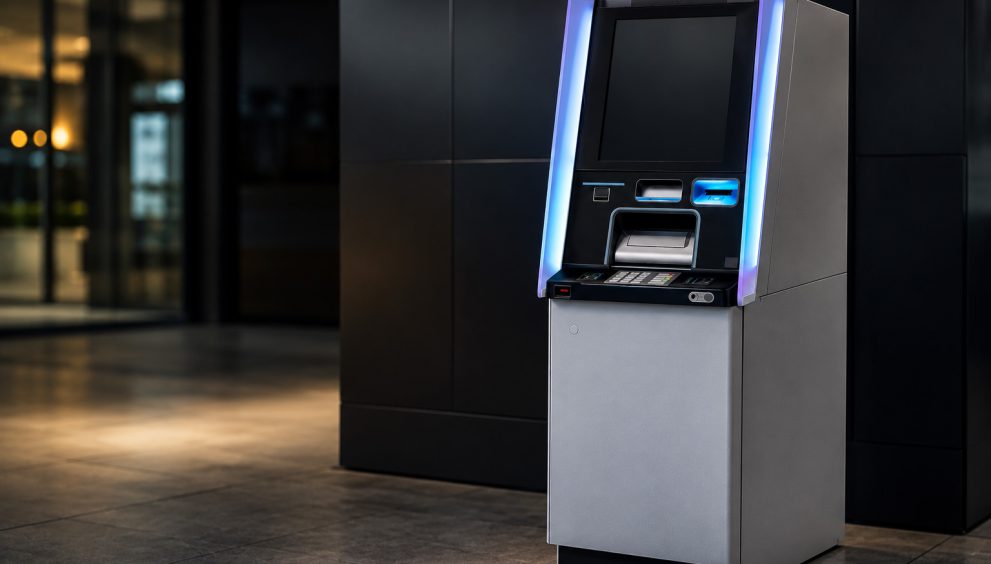
A new ATM platform rarely matters because of the cabinet, screen, or cash module alone. In most deployments, the real test of Diebold Nixdorf ATM innovation is whether it reduces truck rolls, extends platform life, improves interoperability, and fits the bank’s software and security roadmap without creating new operational friction.
That is the right lens for evaluating Diebold Nixdorf’s recent direction. The company remains one of the few global suppliers with scale across ATM hardware, retail self-checkout, software, and managed services. For banking operators, that breadth can be an advantage. It can also complicate the assessment, because product announcements often blend physical design, software architecture, security controls, and service model changes into a single message. The practical question is simpler: what is actually changing in the field, and what problems does it solve?
What Diebold Nixdorf ATM innovation is really trying to address
The most visible changes in the ATM market are familiar. Fleets are aging, Windows migrations remain disruptive, parts availability has become less predictable, and many institutions are trying to keep self-service channels relevant while branch formats continue to shift. At the same time, the usage profile of the ATM has changed. Cash demand remains durable in many markets, but transactions are increasingly concentrated around availability, convenience, and reliability rather than broad feature discovery.
That puts pressure on vendors to do more than release a refreshed terminal. Innovation now has to support longer lifecycle management, remote administration, stronger endpoint security, and configuration flexibility across mixed fleets. A modern ATM that cannot be supported efficiently across software updates, compliance changes, and service events is not a meaningful upgrade for most operators.
In that context, Diebold Nixdorf’s ATM strategy has generally centered on modularity, software-centric management, security hardening, and branch integration. None of those themes are unique to one manufacturer, but they matter because they align with where operators are spending time and budget.
Hardware changes matter most when they reduce field complexity
ATM hardware innovation is easy to overstate. A thinner footprint, revised fascia, or larger display may improve deployment options, but service organizations tend to focus on access, common parts, diagnostic clarity, and time-to-repair. The value of new hardware depends on how much it simplifies maintenance without narrowing future upgrade paths.
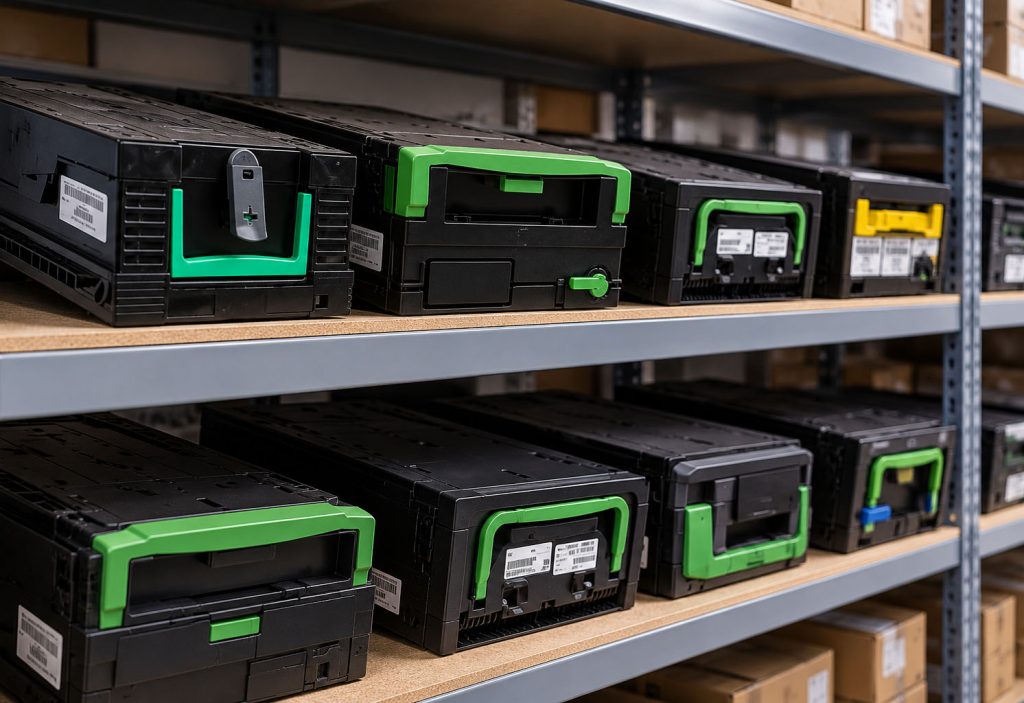
Diebold Nixdorf has put significant emphasis on modular designs and platform consistency across terminal families. For field teams, that can translate into more predictable service procedures and potentially lower training overhead. If components are easier to replace, better standardized across models, or designed for cleaner access, service windows can tighten and mean time to repair can improve.
Still, the trade-off is real. Greater modularity can help maintenance, but only if spare parts planning, documentation, and software compatibility keep pace. A platform that is modular on paper can still become operationally heavy if different configurations produce too many service permutations. Banks and independent deployers evaluating new units usually need to look beyond the chassis and ask how many unique components, images, and support workflows the platform actually introduces.
Software is where ATM innovation is becoming more consequential
For many institutions, the most significant part of Diebold Nixdorf ATM innovation is not the terminal itself. It is the software layer that manages the estate, supports transaction enablement, and helps bridge older hardware with newer services.
That shift reflects a broader reality across self-service banking. Hardware replacement cycles are slower than digital channel expectations, and few operators can refresh an entire fleet at once. Vendors that can support mixed environments, centralize management, and reduce dependence on local, branch-level intervention have a structural advantage.
Diebold Nixdorf’s software direction has generally aimed at remote management, application orchestration, transaction consistency, and security policy control. In practical terms, that matters when a bank is trying to standardize customer experience across different device generations or reduce the operational burden of software distribution and patching.
The field implication is straightforward. If software tools allow better monitoring of device health, note handling performance, security alerts, and application status, service teams can move from reactive dispatch to prioritized intervention. That does not eliminate onsite work, but it can make dispatch decisions more accurate. In an environment where labor, travel, and first-time fix rates are under pressure, that is not a minor improvement.
Security innovation is now inseparable from platform design
ATM security used to be discussed in categories such as skimming, safe attacks, malware, and physical tampering. Those categories still matter, but they no longer sit neatly apart from platform architecture. Security increasingly depends on how the operating system is managed, how applications are segmented, how peripherals are authenticated, and how fast policy changes can be applied across the network.
This is one area where vendor positioning deserves close scrutiny. Security features are often presented as standard platform progress, but the operational value depends on deployment discipline. Device hardening, encryption controls, BIOS protection, whitelisting, and software integrity monitoring are useful only if they are configured consistently and maintained over time.
Diebold Nixdorf has continued to emphasize integrated security capabilities and managed controls, which fits current market needs. The larger issue for operators is whether those capabilities reduce security variance across the fleet. A strong security model is not simply a longer feature list. It is a practical framework for keeping older and newer units aligned under the same policy regime where possible.
That is especially relevant for institutions running phased modernization programs. If a new terminal line requires one security operating model while legacy units use another, the result may be higher complexity rather than lower risk. The best innovation in this area reduces exceptions.
Branch transformation still depends on ATM economics
Diebold Nixdorf often appears in discussions around branch automation and self-service transformation, and for good reason. The ATM is no longer evaluated only as a cash dispenser. In many banking environments it is part of a broader service architecture that includes teller automation, cash recycling, assisted self-service, and software-defined transaction routing.
That broader role can create value, but it also raises the threshold for investment approval. A terminal that supports deposit automation, cardless workflows, video enablement, or assisted service may fit a future branch concept, yet not every location needs that level of functionality. Transaction mix, branch staffing model, and local service coverage all shape the business case.
This is where Diebold Nixdorf’s portfolio breadth can work in its favor. Institutions planning branch redesigns often prefer suppliers that can support both the terminal estate and adjacent self-service infrastructure. But the same breadth can lead to over-specification if projects are driven by vendor capability rather than site-level demand. For operators, disciplined scoping matters more than feature abundance.
The service model may be as important as the machine
Any serious discussion of Diebold Nixdorf atm innovation has to include service delivery. Hardware and software decisions are inseparable from who maintains the fleet, how incidents are triaged, which parts are stocked, and what level of remote remediation is realistic.
This matters because many ATM programs now operate under hybrid support arrangements. Some institutions retain internal oversight while outsourcing first-line maintenance, monitoring, cash services, or software support. Others want more consolidated managed services to offset staffing pressure and infrastructure complexity. Innovation that improves observability, standardizes diagnostics, or reduces onsite intervention can support either model, but not all service organizations benefit equally.
For example, a bank with mature in-house engineering may value open integration and granular control over diagnostics. A smaller operator may care more about predictable service outcomes and fewer moving parts. The same platform can look efficient to one organization and administratively heavy to another. That is why operational fit matters more than broad claims of modernization.
What decision-makers should watch next
The next phase of ATM innovation is likely to be less about dramatic form-factor shifts and more about platform durability. Buyers will continue to evaluate whether new terminals can accommodate evolving software stacks, stricter security expectations, and gradual migration toward cloud-connected management without forcing unnecessary hardware churn.
For Diebold Nixdorf, that means execution will matter more than messaging. The market already understands the strategic themes: modular hardware, software-led fleet management, stronger security, and deeper branch integration. The open questions are practical. How well do these systems perform across mixed environments? How much service complexity do they remove? How effectively do they support lifecycle extension rather than just replacement?
Those are not small questions in a market where capital discipline is tighter and fleet operators are being asked to modernize while keeping uptime stable. The most credible ATM innovation is not the feature that demos well. It is the one that holds up under patch cycles, parts delays, staffing gaps, and real transaction volumes. That is where product strategy becomes operational reality, and where vendors ultimately earn confidence over time.