

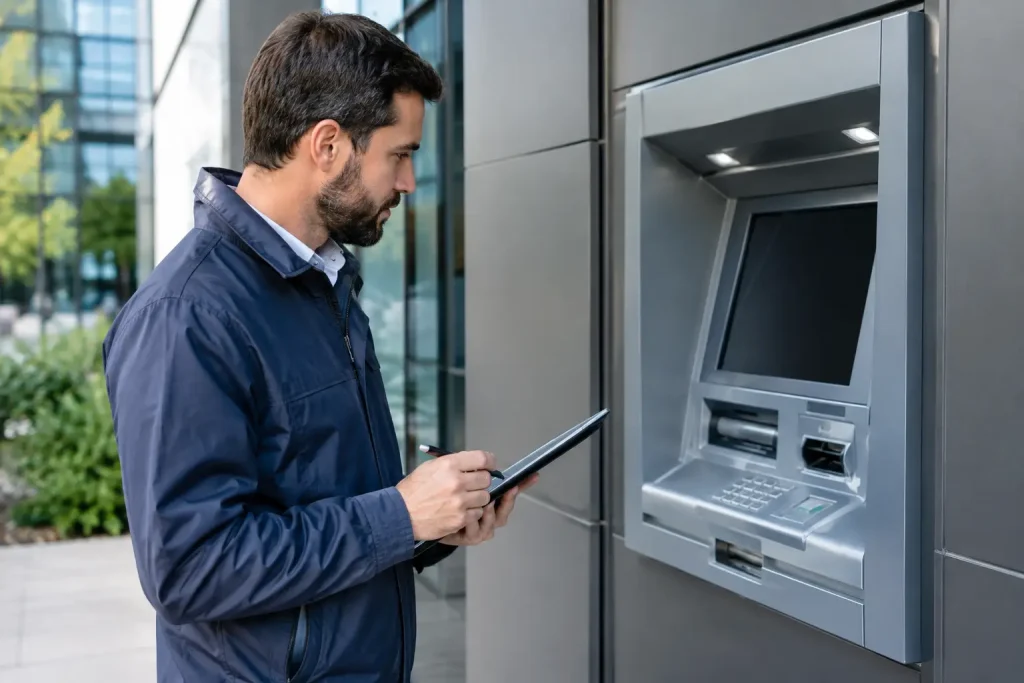
Hyosung ATM Review for Operators

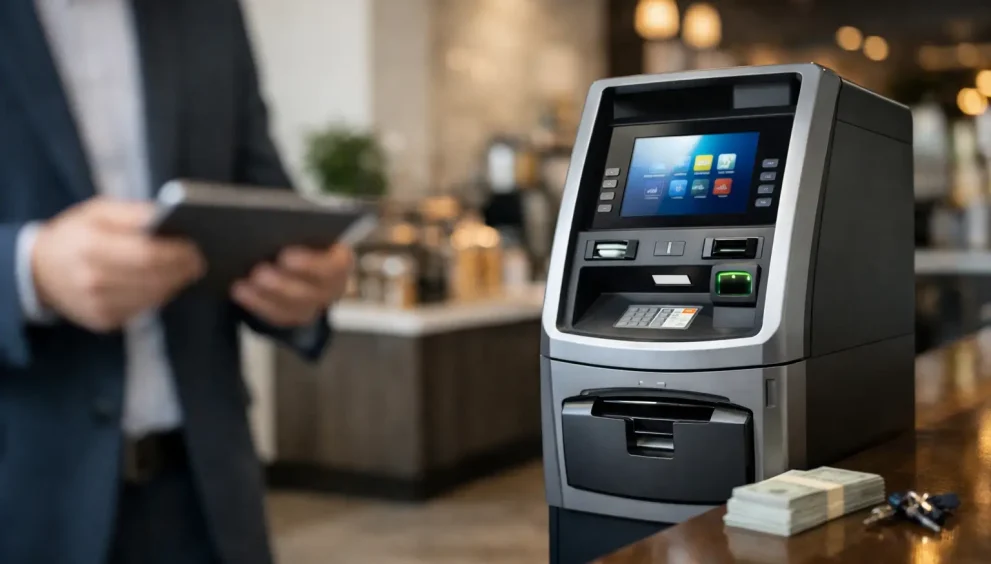
A Hyosung ATM review is most useful when it starts where fleet decisions actually get made – uptime, serviceability, software fit, and the operational cost of keeping terminals productive over time. Brand reputation matters, but for banks, ISOs, and service organizations, the better question is simpler: where do Hyosung machines perform well, and where do they require closer scrutiny?
Hyosung has built a strong position in the U.S. ATM market by offering a broad product range, competitive pricing in many segments, and a footprint that spans retail off-premise, branch transformation, and cash recycling. That range is part of the appeal. It also means any fair assessment has to separate one deployment type from another. A convenience-store cash dispenser, a branch recycler, and a teller-assisted self-service unit should not be judged by the same criteria.
Hyosung ATM review: the core strengths
The first clear strength is portfolio breadth. Hyosung covers traditional lobby and through-the-wall ATMs, retail units, cash recyclers, and branch automation equipment. For institutions trying to reduce vendor sprawl, that matters. A single OEM relationship can simplify procurement, parts planning, training, and software standardization, even if the exact service model still varies by geography.
The second strength is market familiarity. Hyosung hardware is widely deployed across U.S. retail and financial institution environments, so many independent service organizations and field technicians already know the platform. That does not eliminate training requirements, but it lowers friction compared with supporting a niche device that lacks a broad installed base.
The third strength is value positioning. In many buying cycles, Hyosung enters consideration because operators believe they can get acceptable performance and feature coverage without moving to the highest-cost option in the market. That value case is strongest when the deployment has clear transaction patterns, realistic service expectations, and a support structure that is already comfortable with the hardware.
Where Hyosung performs best
Hyosung tends to make the most operational sense in fleets where standardization and practical economics matter as much as premium branding. For retail ATM deployers, the appeal is straightforward: the machines are common, generally understood by the market, and supported by a broad ecosystem of processors, software providers, and service partners.
In branch environments, the evaluation becomes more nuanced. Hyosung equipment can fit well when a bank wants to expand self-service capability without building an overly customized architecture around each terminal type. Institutions looking at teller cash recycling, assisted self-service, or branch transaction migration often find the portfolio relevant because it supports multiple formats under one vendor umbrella.
That said, fit depends heavily on the institution’s operating model. If the bank prioritizes aggressive branch transformation with complex workflow integration, the software layer and systems integration effort will matter at least as much as the hardware. Hyosung can be a fit, but the project should be judged as a platform deployment rather than a simple box replacement.
Reliability in the field
Reliability is where broad product reviews often become too vague. No ATM brand is uniformly strong across every model, software build, and deployment condition. With Hyosung, field results tend to depend on three practical factors: environment, maintenance discipline, and the age mix within the fleet.
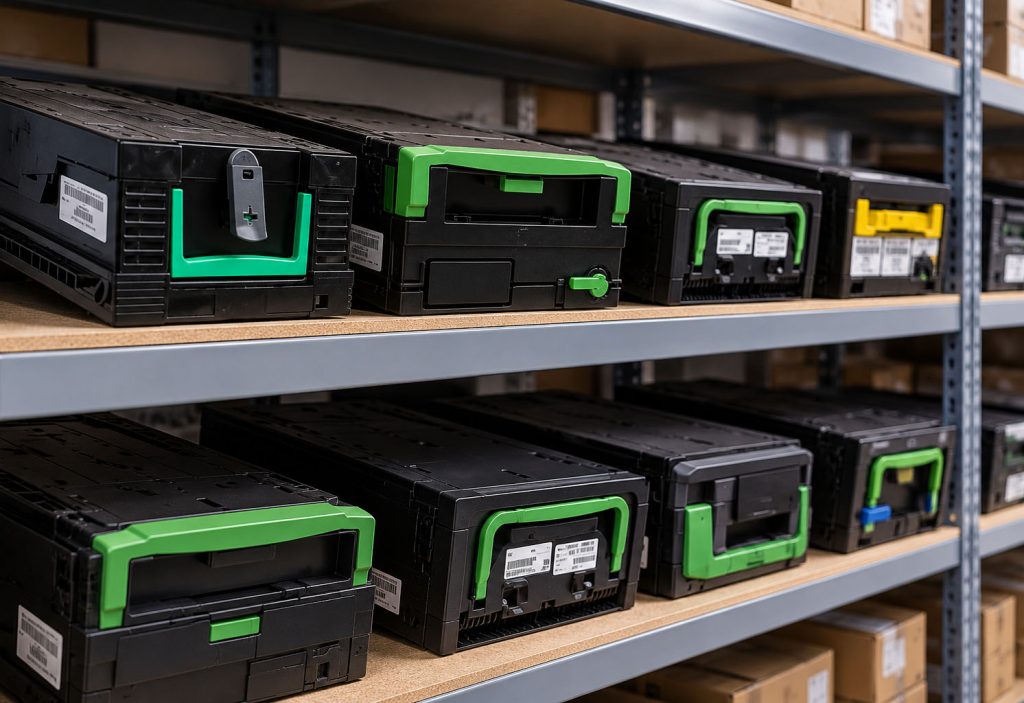
In controlled indoor environments with consistent preventive maintenance, Hyosung units can deliver dependable service levels. In harsher off-premise settings, especially high-volume locations with variable cash quality and limited first-line care, performance depends more visibly on dispenser condition, sensor cleanliness, and cassette handling discipline. That is not unique to Hyosung, but it affects total cost of ownership in the segments where the brand is widely placed.
Older fleets require a more disciplined approach. Once a terminal population starts mixing legacy models, varying component revisions, and multiple software baselines, the perceived reliability of the brand can suffer even if the root issue is fleet inconsistency. For operators reviewing Hyosung performance, it is worth separating true model-related failure patterns from the normal deterioration that comes with deferred refresh cycles.
Serviceability and technician experience
Serviceability often decides whether a platform remains economical after the purchase order is forgotten. Hyosung generally scores better when organizations already have technicians trained on the equipment and when parts stocking is aligned to common failure points. Familiarity reduces mean time to repair more than spec sheets do.
The practical question is not whether a unit can be repaired, but how quickly a field technician can isolate the issue, access the affected module, complete the work, and return the terminal to service without repeat calls. On that front, Hyosung benefits from installed-base experience in the U.S. market. Many service teams have encountered the hardware before, which helps with diagnosis and part substitution.
Still, serviceability is never just about cabinet design. Documentation quality, software logging, remote management capability, and the maturity of the service network matter just as much. A well-supported Hyosung deployment can be efficient to maintain. A poorly governed one can drift into a cycle of recurring dispatches and avoidable downtime.
Software, integration, and fleet management
A Hyosung ATM review that focuses only on hardware misses the bigger operational issue. For many institutions, the real decision is about software compatibility, application control, remote monitoring, security patching, and how cleanly the devices fit into the broader self-service stack.
This is where buyers need to be careful. If the requirement is a straightforward ATM deployment using established middleware and processor relationships, Hyosung usually fits into the market without unusual complexity. If the requirement involves advanced branch orchestration, deeper transaction set expansion, or tighter channel integration, the burden shifts toward implementation planning.
The good news is that Hyosung is not an outsider in the U.S. ecosystem. The challenge is not basic connectivity but operational governance. Mixed estates, partial software standardization, and uneven patch discipline can produce problems that appear to be hardware issues but are really fleet-management failures.
Security and compliance considerations
Security should be evaluated in layers. Physical hardening, logical controls, OS lifecycle management, and remote access governance all matter. Hyosung equipment, like any mainstream ATM platform, can support secure deployment, but secure deployment is not automatic.
Operators should pay close attention to operating system currency, encryption implementation, application whitelisting strategy where applicable, key management practices, and the handling of remote software distribution. A terminal from a recognized OEM is only one component in the control environment. If the estate has inconsistent patch windows or weak change management, vendor selection will not compensate for that.
For branch and bank-owned environments, the security review should also account for enterprise tooling compatibility. The ATM that fits best is often the one that can be monitored, audited, and updated within established governance processes rather than managed as a separate exception.
Cost of ownership: where the numbers move
Hyosung’s value story is real, but cost of ownership depends on how the machines are deployed. Upfront hardware savings can be meaningful, especially for larger purchases. But those savings narrow quickly if the fleet requires excessive truck rolls, inconsistent parts availability, or more frequent corrective maintenance than expected.
For retail deployers, the economics often remain favorable when transaction volume is steady and service coverage is mature. For financial institutions, the equation is broader. Procurement cost, branch integration effort, software support, security maintenance, and the impact of downtime on customer experience all need to be counted together.
That is why comparisons with other OEMs can become misleading if they focus only on purchase price. The better benchmark is cost per functioning terminal over time, adjusted for transaction mix and service intensity.
Who should consider Hyosung
Hyosung is a sensible candidate for operators that want broad product availability, established market presence, and a practical cost position. It fits especially well where the service organization already knows the platform, the deployment goals are clearly defined, and the institution is serious about configuration control.
It may be a less comfortable fit for buyers seeking highly customized branch transformation without a strong integration plan, or for operators with fragmented support structures that struggle to maintain software and parts discipline across a mixed estate. In those cases, the issue is not that Hyosung cannot work. It is that the environment may not support any ATM platform efficiently.
Final assessment
The most balanced Hyosung ATM review is neither overly enthusiastic nor dismissive. Hyosung is a credible, widely deployed option with real strengths in coverage, value, and market familiarity. Its best deployments are the ones where operators understand their own service model, keep software and hardware standards tight, and evaluate performance at the fleet level rather than by anecdote.
If a terminal program is managed with discipline, Hyosung can be a practical and economical choice. If the fleet is allowed to drift, even a solid platform will look worse than it is. The useful question is not whether Hyosung is good in the abstract, but whether the operating environment is set up to let the equipment perform as intended.