





Why XFS Interoperability in ATMs Still Matters
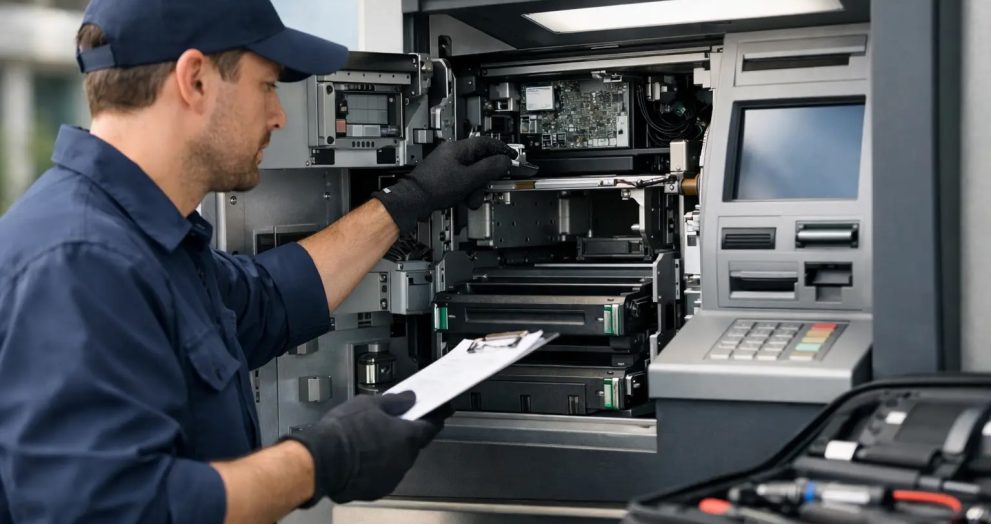
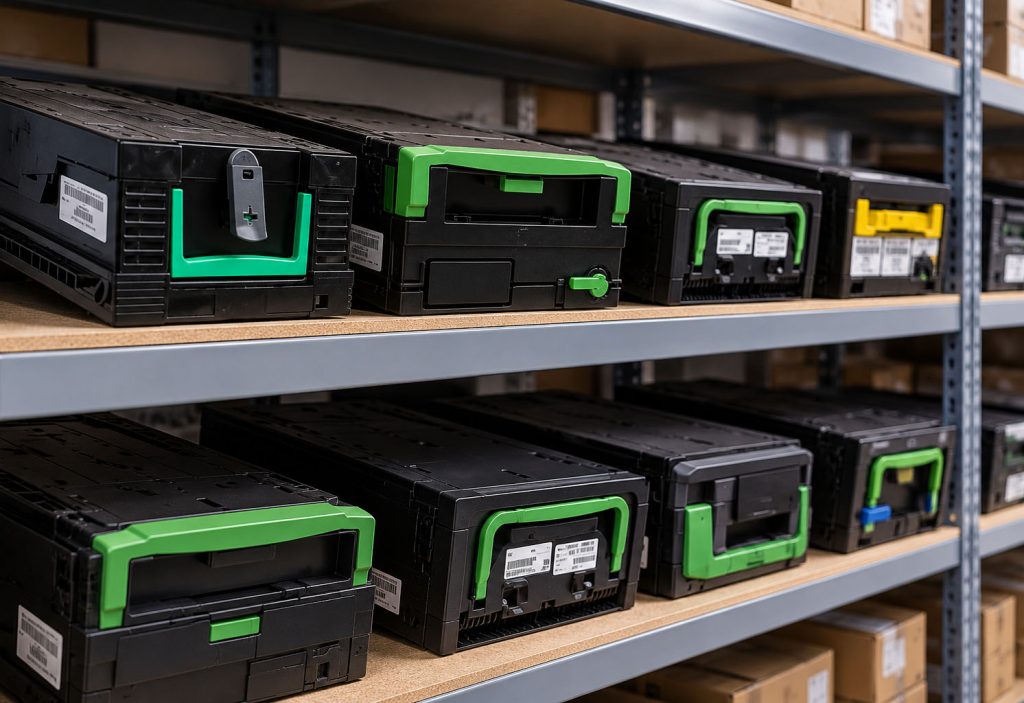
XFS interoperability in ATMs still shapes fleet flexibility, service models, and upgrade risk across mixed hardware, software, and vendor environments.
ATM security compliance trends are shifting toward software control, stronger encryption, and tighter fleet governance across banking operations.
ATM hardware lifecycle planning helps banks cut downtime, control costs, and time upgrades around security, service, and fleet realities.
Self service banking equipment now spans ATMs, ITMs, kiosks, recyclers, and software. Here is what matters for deployment and operations.
A branch cash automation strategy can cut handling costs, improve controls, and support staffing shifts – if banks align devices, workflows, and service.
Cash recycler deployment issues often start before install day. Here’s where projects slip, why uptime suffers, and what banks can control.
ATM software update challenges affect uptime, security, and service costs. Here’s where deployments fail and how operators reduce risk in the field.
ATM uptime monitoring tools help banks and service teams reduce outages, speed repairs, and see fleet issues before they affect availability.
ATM service management best practices help banks cut downtime, improve first-time fix rates, and align field service with fleet risk and cost.
The ATM industry has been evolving steadily over the past decade, shaped by changes in consumer behavior, security requirements, and the growing complexity of self-service systems. While the role of cash in many markets is gradually shifting, ATMs remain a critical part of financial infrastructure—especially in regions where access to physical banking services is limited or where cash usage remains strong.