



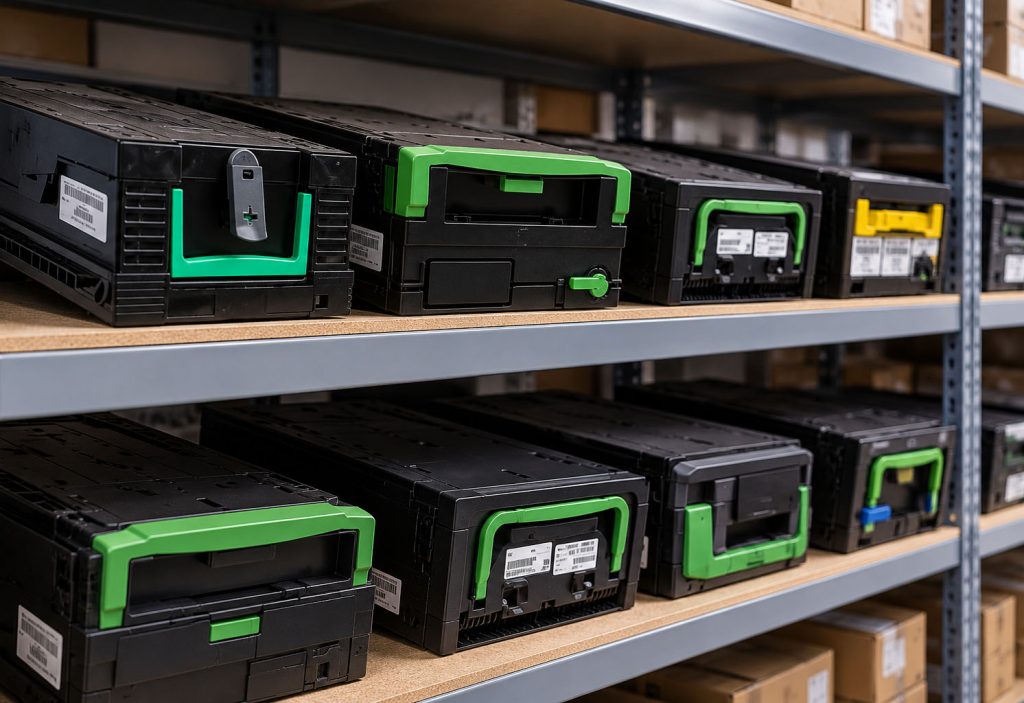


A Guide to ATM Keyloading for Field Operations

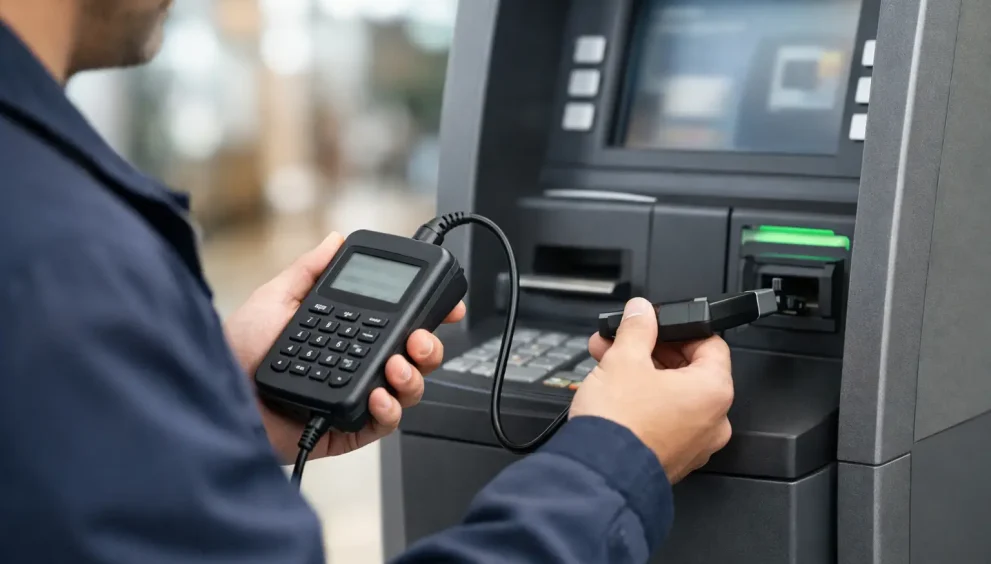
A guide to ATM keyloading is not a set of keystrokes for a technician to memorize. It is a controlled operational process for placing cryptographic keys into an ATM or related security component without exposing key material, weakening dual control, or creating an audit gap that becomes difficult to explain after an incident.
For banks, independent deployers, managed service providers, and field organizations, keyloading sits at the intersection of physical service work, network security, vendor support, and payment-card compliance. A successful event is one in which the terminal returns to service with the correct cryptographic state, the chain of custody is documented, and no individual has had unnecessary access to sensitive information.
What ATM keyloading actually covers
ATM keyloading is the authorized introduction, replacement, or activation of cryptographic keys used by an ATM and its security hardware. Depending on the terminal architecture and the role of the device, those keys may support PIN encryption, message authentication, host communications, remote key distribution, or secure communications with peripheral components.
The precise process varies. A newer ATM connected to a centralized key-management environment may receive keys remotely through an approved protocol. Other deployments still require an on-site ceremony using secure key-injection equipment, encrypted key components, or other controlled materials. Some fleets operate with a mix of both models because of terminal age, processor requirements, communication constraints, or migration timing.
That variation matters. Field teams should not assume that procedures used for one ATM family, processor, or security module apply to another. The terminal’s key hierarchy, electronic journal behavior, operating software, approved loading method, and host configuration all affect what can be validated after the event.
Why keyloading remains an operational risk
The technical task may be brief. The preparation and control environment are where most of the risk resides. Keyloading failures can take an ATM out of service, prevent PIN transactions, produce host authentication errors, or create a condition that requires reinitialization by a central security team. More serious failures can involve compromised key material, incomplete custody records, or unauthorized procedural workarounds.
The operational exposure typically comes from four areas:
- Incomplete authorization, such as a field dispatch that does not clearly identify the terminal, approved purpose, and applicable key set.
- Weak custody controls for key components, cryptographic devices, tamper-evident packaging, or other controlled materials.
- Incorrect terminal identification, especially where site records, asset tags, software inventories, and processor databases are not synchronized.
- Inadequate post-load testing, which can leave a terminal appearing operational until the first PIN-based or host-authenticated transaction fails.
These risks are not limited to older ATMs. Remote distribution reduces travel and handling, but it introduces its own dependencies: certificate status, communications availability, security module compatibility, enrollment accuracy, and monitoring of exceptions. Centralization changes the control points; it does not eliminate them.
Establish ownership before the field visit
A disciplined keyloading process begins before a technician reaches the site. The organization responsible for cryptographic governance should define the approved method, while the service organization confirms that the visit is authorized and that the terminal is in the expected condition.
The work order should identify the ATM by more than its street address. A unique terminal ID, serial number or asset identifier, location code, host or processor relationship, and relevant hardware configuration reduce the possibility of loading against the wrong record. This is particularly useful during fleet refreshes, acquisitions, or site relocations, when inventory data can lag behind physical changes.
Roles must also be explicit. The people authorizing the event, handling controlled key materials, performing the technical service, observing dual control, and reviewing the final record may be different. Combining those roles for convenience can conflict with internal policy, contractual obligations, or payment security requirements.
Dual control is central to on-site operations involving key components or sensitive loading materials. The objective is not simply to have two names on a form. Each participant must independently perform the assigned part of the ceremony so that no one person can reconstruct or misuse sensitive information. If a qualified second participant is unavailable, the appropriate response is generally to reschedule or use an approved alternate method, not to improvise.
A practical guide to ATM keyloading controls
The exact technical instructions should remain within approved bank, processor, manufacturer, and key-management documentation. At the operational level, however, a sound event follows a consistent sequence: authorize, identify, inspect, load through the approved channel, validate, document, and close custody.
Before work starts, the technician should confirm the terminal identity and inspect the ATM for conditions that could affect security or serviceability. Signs of cabinet tampering, an unexpected security-module state, communication instability, or a mismatch between installed hardware and the work order should stop the process pending escalation. Keyloading is not the right time to resolve an unexplained configuration discrepancy.
Controlled materials should be checked against custody records before they are brought into the work area. Packaging status, assigned identifiers, transfer signatures, and authorized time windows all matter. If the process uses a portable injection device or secure cryptographic appliance, its approved status and configuration must be verified under the organization’s control framework. A device that is merely powered on and available is not necessarily authorized for the specific event.
During the load, teams should follow the prescribed procedure without substituting familiar shortcuts. That includes maintaining required dual control, protecting the work area from observation, and treating unexpected prompts or error states as exceptions rather than problems to bypass. No sensitive key values, components, or authentication data should be written into a work order, photographed, sent in email, or entered into a general service ticket.
Exception management deserves particular attention. A failed load, rejected security-module response, or host mismatch may indicate anything from a simple communication problem to a configuration or authorization issue. Repeated attempts can complicate diagnosis and, in some environments, create security alarms or device lockouts. Escalation paths should specify who owns the decision to retry, revert, remove the terminal from service, or engage the processor, manufacturer, or security operations team.
Validation is more than a green screen
A terminal can complete a loading procedure and still fail in production. Validation should confirm the intended cryptographic state through approved, non-sensitive checks. Depending on the environment, this may include a host connectivity check, a controlled transaction test, confirmation of PIN-related functions, review of device status, and verification that required alarms are clear.
The appropriate test depth depends on the event. A routine scheduled key change on a standardized, well-monitored fleet may use a defined test script. A terminal returning from hardware replacement, software reimage, communications disruption, or security-module service may require broader validation. The key point is to test the services affected by the change, not simply the ATM’s ability to display an out-of-service or idle screen.
Operations teams should also consider timing. Loading keys during a cash replenishment window, peak transaction period, or planned network maintenance can make failures harder to isolate. Coordinating change windows across field service, network operations, the processor, and cash management may add planning overhead, but it reduces the likelihood that a cryptographic issue is confused with an unrelated outage.
Documentation and audit evidence
Good records allow a security team to reconstruct what occurred without recording sensitive material. At minimum, the event record should show the authorization reference, terminal identity, date and time, personnel involved, approved method used, custody transfers, exceptions encountered, validation results, and the final service status.
Documentation should be timely and tied to the correct asset. Generic notes such as “keys loaded successfully” provide little operational value when an ATM later develops intermittent host errors. A better record states that the authorized procedure was completed, the required controls were present, specified tests passed, and any follow-up actions were assigned.
Organizations with large fleets benefit from reviewing these records as operational data rather than treating them as compliance paperwork. Recurring keyload failures by terminal model, geography, communications provider, security-module version, or service partner can reveal a maintenance pattern that individual tickets will not show.
Remote keyloading changes the field role
Remote key distribution can reduce site visits, eliminate some physical handling, and shorten recovery times. It can be especially valuable for dispersed fleets or locations with limited access windows. But its success depends on accurate enrollment, trusted certificates or credentials, compatible hardware, stable communications, and strong central monitoring.
Field service still has a role when remote processes fail. Technicians may be asked to verify terminal identity, inspect tamper status, restore communications, confirm hardware replacement details, or support an approved recovery procedure. The division of responsibility should be clear: field personnel address physical and local terminal conditions, while authorized security teams retain control over cryptographic decisions and sensitive materials.
A mixed environment is common during modernization. The practical objective is not to force every terminal into one method immediately, but to maintain consistent governance across remote and on-site processes. The controls may differ, yet the requirements for authorization, identity assurance, validation, and evidence remain the same.
The strongest keyloading programs treat the event as a managed security change, not a routine service call. When custody, terminal identity, escalation, and post-load validation are built into daily operations, teams can restore availability without trading away the controls that protect the payment environment.