


Cash Recycler Deployment Issues That Delay ROI


A cash recycler can arrive on schedule, pass basic staging, and still create weeks of friction once it hits the branch floor. That is usually how cash recycler deployment issues show up in practice – not as a single failure, but as a chain of small mismatches between hardware, branch operations, network readiness, and service expectations.
For banks and deployers, that distinction matters. Recycler projects are often justified on labor efficiency, cash visibility, and transaction consistency. But those gains depend on stable daily operation, not just a successful install. When deployment assumptions are wrong, the machine may be physically in place while the operating model around it is still unfinished.
Where cash recycler deployment issues usually begin
Many deployment problems start well before equipment reaches a site. The common pattern is treating the recycler as a device rollout when it is really a branch workflow change, a software integration project, and a service model adjustment at the same time.
Site surveys are a frequent weak point. Floor loading, doorway clearance, power quality, and network handoff are all familiar checklist items, but the details matter. A branch may technically have space for a recycler and still be poorly laid out for operator access, cash replenishment, or secure service activity. If the unit fits but creates congestion around teller lines or dual-control cash handling, the branch inherits an operational problem that will not show up on a simple pre-install form.
There is also a tendency to underestimate environmental variation across a fleet. A standard deployment package may work well in newer branches and become more difficult in older locations with inconsistent wiring, marginal HVAC, or constrained back-office layouts. At fleet scale, these exceptions are not edge cases. They are part of the rollout plan.
Integration gaps are often the real bottleneck
When project teams discuss recycler deployment, the physical install often gets most of the attention. In many cases, software and host-side integration create the longer delay.
A recycler has to fit into the bank’s teller environment, balancing procedures, user permissions, denomination logic, and exception handling. If the branch platform, middleware, or cash management application is not fully aligned with the device’s operational model, staff end up working around the machine rather than through it. That weakens utilization and can erase the labor case that supported the purchase.
The issue is not always a failed integration. More often it is a partial one. Basic transactions work, but mixed deposits, exception tickets, cassette balancing, or role-based controls behave differently than branch teams expect. That is enough to slow adoption, increase help desk calls, and push employees back toward manual cash handling.
Version control also creates avoidable friction. Banks may standardize on one software release in the lab while field deployments occur across branches with different workstation images, security policies, or peripheral support levels. The recycler is then blamed for behavior caused by broader endpoint inconsistency.
Middleware and branch platform alignment
The most stable deployments usually happen when the recycler is treated as part of the branch transaction stack, not as a standalone cash device. That means testing not only transaction execution, but reconciliation timing, user session behavior, audit trails, and day-end processes.
If these workflows are not validated in realistic branch conditions, operational defects surface after go-live. Those defects may not be severe enough to halt deployment, but they can create persistent inefficiency that is harder to fix once dozens or hundreds of units are in service.
Field readiness is wider than installation readiness
Install day success can hide weak field readiness. A recycler may be powered, connected, and transacting, yet still be entering an environment that is not ready to support it.
Training is a common example. Many institutions provide basic operator training focused on transactions and balancing, but that is only part of the requirement. Branch personnel also need to understand note fitness behavior, reject handling, daily exception patterns, and when to escalate a problem instead of repeatedly clearing it locally. Without that judgment, minor issues turn into repeat service events.
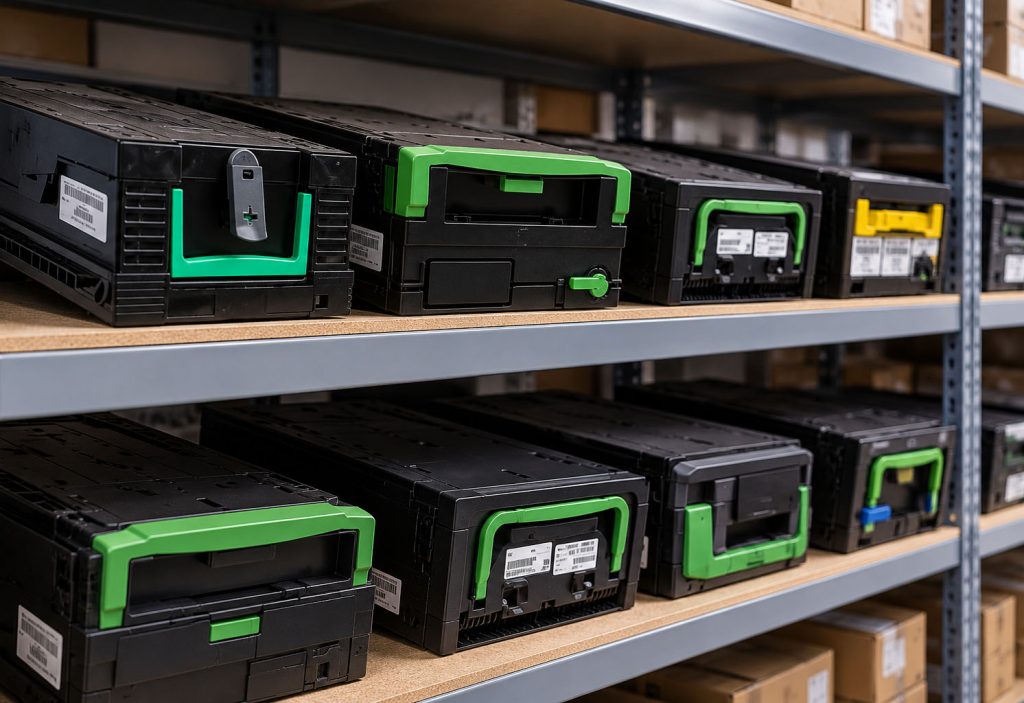
Service organizations face a similar challenge. A technician who is comfortable with ATMs is not automatically ready for recycler support, especially if the platform introduces different cassette designs, note path architecture, software tools, or maintenance intervals. Early deployment waves often expose this gap. Mean time to repair stretches because the machine is new to the branch and still relatively new to the service channel.
Parts positioning matters too. Recycler uptime depends on more than technician dispatch. If commonly needed components are not staged regionally, first-call resolution drops and branches experience longer degradation periods. That is especially relevant in geographically dispersed fleets where courier schedules and parts logistics add delay.
Cash management assumptions can break the project
One of the more persistent cash recycler deployment issues is assuming the machine will automatically improve cash usage without changes to branch cash policy. In reality, the recycler can only optimize what the institution is prepared to manage differently.
If branch ordering thresholds, vault interactions, balancing rules, and denomination strategies remain unchanged, the device may function well while delivering only a fraction of its expected value. A recycler works best when the institution adjusts forecasting and replenishment around the new source of transaction-level cash visibility.
This is where cross-functional ownership becomes important. Operations may lead the rollout, but treasury, branch administration, cash logistics, and security all affect the result. When those groups are not aligned, the branch gets conflicting instructions on how aggressively to use recycled cash, how to handle exceptions, and how to document variances.
There is also a branch-volume question. Not every location benefits equally from the same recycler configuration. High-volume urban branches, low-volume suburban sites, and commercial-heavy locations can place very different demands on note inventory and transaction patterns. Standardization helps serviceability, but over-standardization can reduce performance in the field.
The branch workflow problem
Recycler deployments often underperform when they are inserted into existing teller routines with minimal redesign. If operators still batch tasks the old way, keep side cash habits, or bypass certain deposit flows because they are faster manually, the branch ends up with a costly hybrid process.
That does not always mean the machine was a poor fit. It may mean the rollout focused on installation more than behavioral adoption. In practice, workflow redesign is often the harder part of deployment.
Security and compliance requirements add complexity
Cash recyclers sit at the intersection of branch cash handling, endpoint security, and physical access control. That creates deployment friction that is easy to underestimate during procurement.
Banks may discover late in the process that authentication policies, local admin restrictions, encryption requirements, camera coverage, or service access rules need adjustment. None of these issues are unusual, but each can delay production readiness if addressed too late.
Remote support is another area where trade-offs show up. Institutions want tighter control over endpoint access, but they also need efficient diagnostics and software support. The stricter the control model, the more important it becomes to define support workflows that do not slow resolution unnecessarily. A secure deployment that cannot be serviced efficiently can still become an operational liability.
Why pilot results sometimes mislead
Pilots are useful, but recycler pilots can produce overly optimistic forecasts if they run in well-supported branches with above-average management attention. Those environments are not always representative of broad rollout conditions.
A pilot branch may have strong staff engagement, experienced supervisors, quick access to project teams, and favorable transaction volume. Once the deployment expands, the program encounters weaker network conditions, inconsistent branch leadership, and less hands-on support. That is when the true service model is tested.
For that reason, pilot evaluation should extend beyond transaction counts and initial user feedback. It should examine repeat fault patterns, parts consumption, software ticket volume, balancing exceptions, and the gap between expected and actual branch utilization. Those indicators are less visible than launch-day success, but they are more predictive of fleet performance.
What stronger deployments do differently
The better-managed projects usually share a few traits. They define branch readiness more broadly than construction and connectivity. They test workflows, not just transactions. They align service partners and internal support teams before scale begins. And they treat cash policy changes as part of the deployment, not as a later optimization.
They also accept that some trade-offs are unavoidable. A heavily standardized deployment is easier to support, but may fit some branches poorly. A more customized rollout may improve branch performance while increasing training and service complexity. The right answer depends on fleet diversity, internal support maturity, and how much variance the institution can realistically manage.
That is why recycler deployment should be judged less by installation speed and more by operational stability after 90 days. A branch that is still relying on manual workarounds after go-live is signaling that the deployment is incomplete, even if the project tracker says otherwise.
The most useful question is not whether a cash recycler can be deployed successfully. It is whether the bank, vendor, and service network are prepared to deploy the operating model that makes the machine worth owning.