

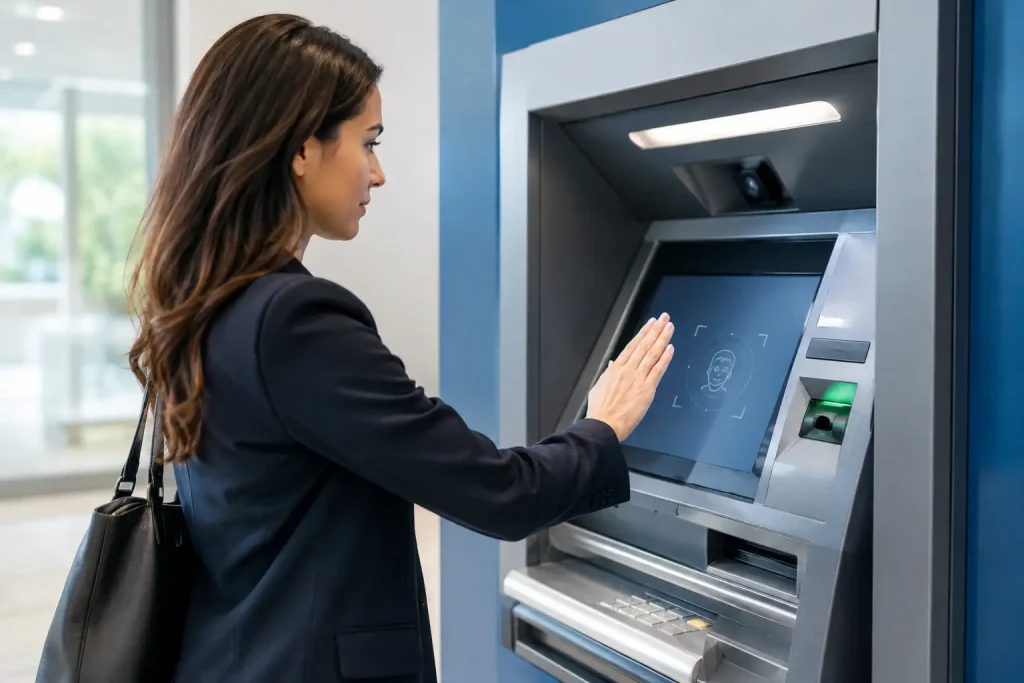
Diebold Currency Validators in ATM Operations

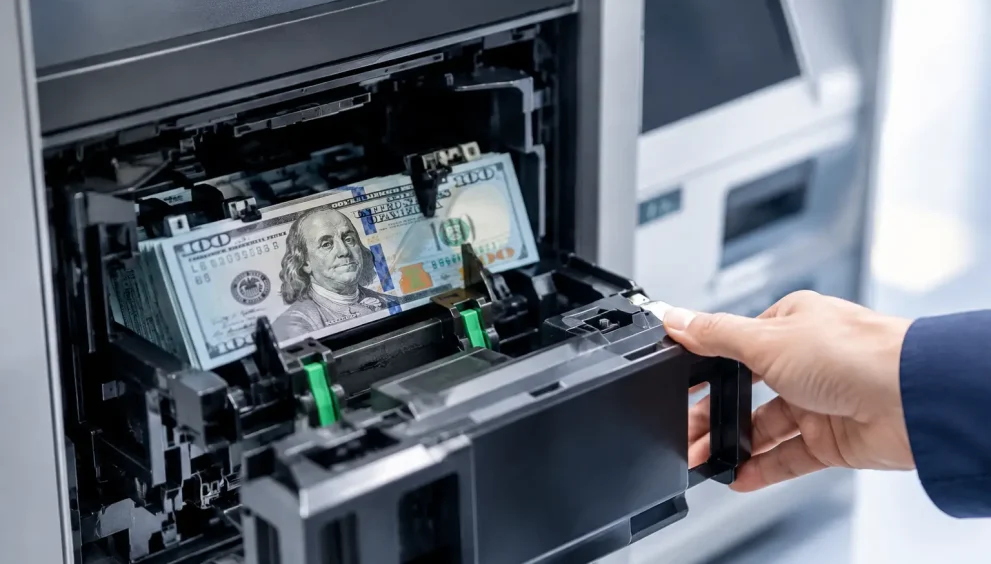
A note that enters an ATM is not simply accepted or rejected. It is measured, classified, routed, and recorded within a sequence that must work consistently across thousands of transactions. Diebold currency validators sit at the center of that process in many deployed Diebold Nixdorf self-service systems, affecting customer acceptance rates, cash availability, counterfeit controls, and the number of calls that reach a field service queue.
For operators, the practical question is not whether a validator is a sophisticated piece of hardware. It is whether the entire cash-handling path – validator, transport, cassettes, software configuration, and service process – is producing predictable results in the field. A validator can be functioning within specification while an ATM still experiences deposits rejected, notes diverted to reject bins, or recurring cash jams caused elsewhere in the module.
What Diebold Currency Validators Actually Do
In ATM and cash recycler terminology, a currency validator is the sensing and decision-making portion of the cash-acceptance process. It analyzes notes presented for deposit or recycling and determines whether they are genuine, fit for recirculation, denominated correctly, and suitable for the configured transaction flow.
The decision is based on multiple note characteristics rather than a single test. Depending on the cash module and market configuration, these can include optical patterns, note dimensions, thickness, magnetic properties, infrared response, and ultraviolet features. The validator compares those readings against currency templates and acceptance rules loaded for the institution’s operating environment.
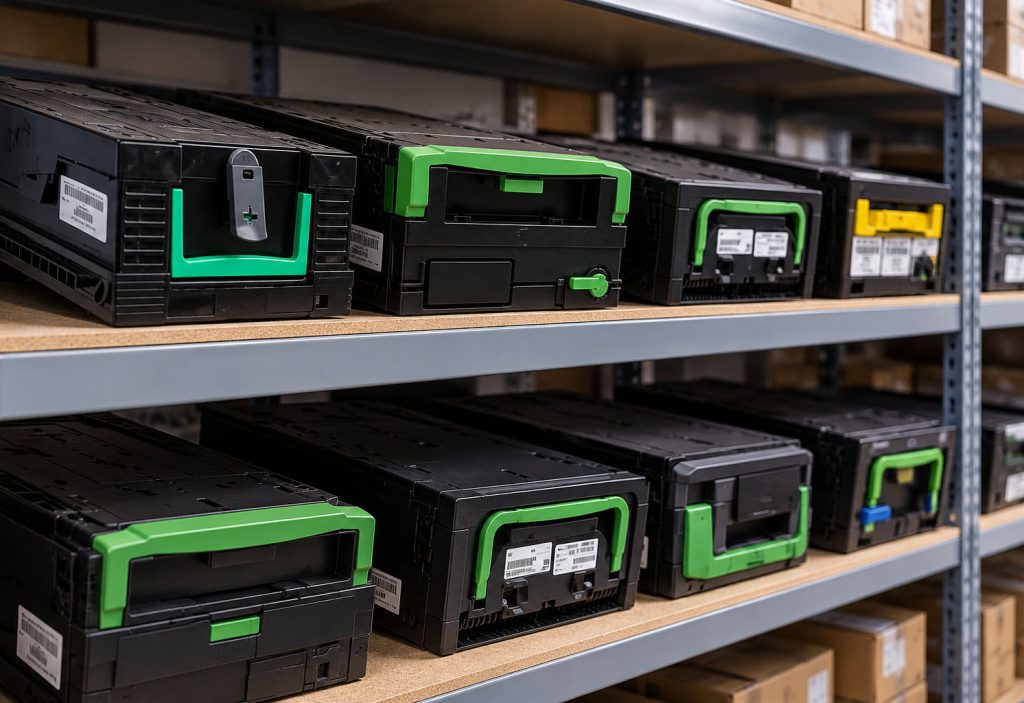
That distinction matters because a validator is not a complete deposit solution. After the note is identified, the cash transport must move it reliably to a recycle cassette, deposit cassette, escrow area, or reject location. A rejected transaction may be caused by dirty or misaligned sensors, but it may also reflect worn belts, poor note condition, a full reject bin, cassette issues, or a software configuration mismatch.
Why Validation Performance Becomes an Operations Issue
The customer sees a simple outcome: the machine took the cash or it did not. Operations teams see a broader set of consequences. Repeated reject events can drive customer complaints, abandoned deposits, branch intervention, and increased field dispatches. In a recycler environment, poor classification can also reduce the usable pool of recirculating notes and increase replenishment activity.
False rejects deserve particular attention. An overly permissive validator creates obvious security and loss concerns, but an overly restrictive configuration carries a different operational cost. Legitimate notes that are worn, folded, taped, or marked may be common in certain geographies or transaction channels. If those notes are routinely rejected, the ATM may technically be protecting itself while providing a poor deposit experience.
The appropriate threshold depends on the institution’s risk policy, cash mix, transaction volumes, and device role. A high-volume branch recycler handling mixed-condition deposits has different operating conditions from a drive-up ATM that primarily dispenses cash. Service teams should avoid treating one set of acceptance metrics as universally applicable.
Authentication, fitness, and denomination are separate decisions
A note can be genuine but unsuitable for recycling. It can also be the correct denomination yet fail a fitness test because it is too damaged for reliable transport or future dispense. These outcomes are often grouped together in frontline reporting as a rejection, which can obscure the actual cause.
Separating authentication rejects from fitness rejects and transport rejects is useful for both risk management and maintenance planning. If authentication-related exceptions rise suddenly, the review should include currency template status, local fraud intelligence, and possible sensor degradation. If fitness-related rejects rise gradually, note quality in the local cash supply and wear in the transport path may be more relevant. If errors cluster around a specific cassette or route, the investigation should move beyond the validator itself.
Currency Templates and Software Governance
Validator performance depends partly on the note-recognition data and software versions installed in the device. When the U.S. Treasury introduces a redesigned note, or when an operator supports multiple currencies in a specialized deployment, the acceptance profile must be reviewed and maintained. A machine with mechanically healthy hardware can still fail to recognize valid notes if its relevant currency support is outdated or incorrectly configured.
This creates a governance requirement that is sometimes underestimated. Currency updates should be managed as controlled changes, not as an informal maintenance task. Operators need an accurate inventory of terminal models, cash-module types, supported note sets, current software and firmware levels, and any site-specific configurations that may affect validation behavior.
The rollout process should include a representative test plan. Test notes need to cover new-design currency as well as common real-world conditions such as circulated notes, folded corners, and notes with minor wear. It is also wise to confirm not only acceptance but correct routing, denomination recognition, transaction journaling, and exception handling.
A staged deployment may be preferable for large fleets. It allows teams to observe acceptance trends and diagnose any unexpected interaction with a particular hardware revision or software image before a broad rollout. The trade-off is added coordination and temporary configuration diversity, so disciplined version tracking is essential.
Service Diagnostics Need More Than a Fault Code
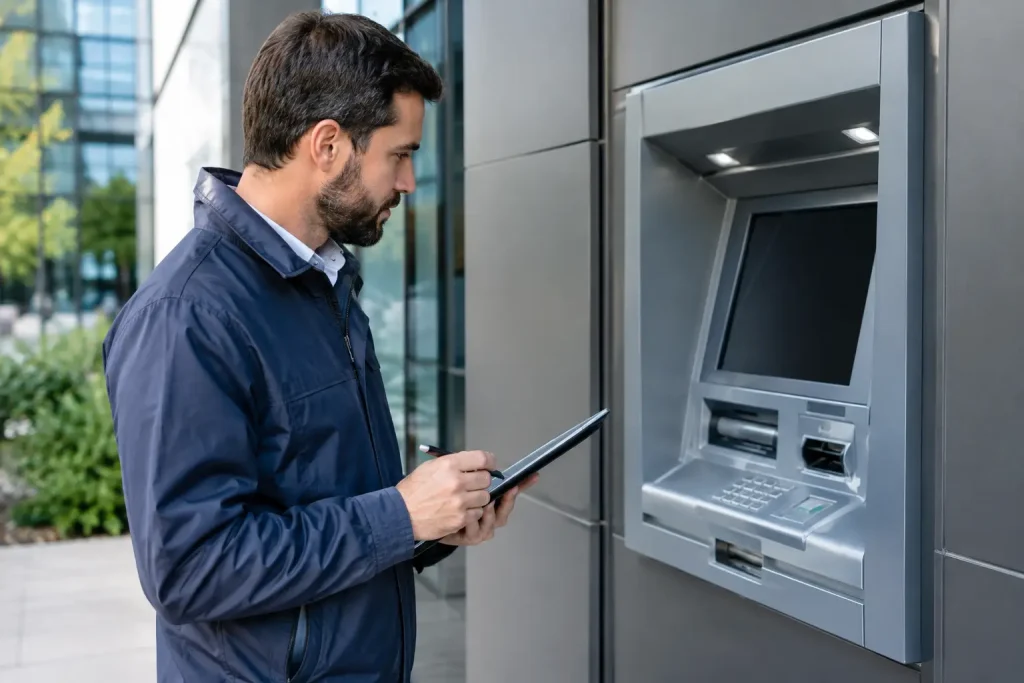
Fault codes are useful starting points, but they rarely tell the whole story. A field technician investigating validation complaints should combine terminal diagnostics with transaction records, cash-module counters, and a physical inspection of the note path.
The most useful pattern is often the trend rather than the individual event. A single suspect-note rejection may be expected. A persistent rise in rejects after a particular shift, cash replenishment, currency update, or preventive-maintenance cycle points toward a more actionable cause. Similarly, repeated validation failures at one terminal may indicate environmental exposure, high local transaction volume, or recurring use of poor-quality deposit notes rather than a fleet-wide software defect.
Cleaning remains a basic but consequential activity. Dust, paper fibers, residue, and debris can interfere with optical sensing and note movement. Yet cleaning should follow the prescribed procedure for the module. Aggressive methods, unsuitable materials, or untrained adjustment of sensors can create the very calibration issue a technician is trying to correct.
When a component is replaced, the service record should capture more than the part number. Recording the error history, note-path condition, software level, validation test result, and post-repair transaction behavior gives engineering teams evidence for recurring-failure analysis. This is especially valuable when a fleet is supported by multiple service organizations or a mix of branch and off-premises locations.
Metrics That Tell Operators Something Useful
Raw reject counts can be misleading because volumes vary widely by terminal. Rates and event categories offer better insight. Useful measures include deposit acceptance rate, counterfeit or suspect-note exceptions, fitness rejects, transport-related rejects, reject-bin utilization, repeat cash-module faults, and the number of transactions requiring customer recovery or branch intervention.
These metrics should be viewed alongside device age, location type, cash volume, replenishment cadence, and local note quality. A branch device with high deposit volume will naturally see more exceptions than a lightly used retail ATM. The concern is a meaningful change from that terminal’s own baseline or an abnormal gap compared with similar devices operating under similar conditions.
There is also a customer-service dimension. If a validator rejects a note but the interface provides only a generic error message, the customer has little guidance and may attempt the same transaction repeatedly. Clear transaction handling, accurate journaling, and defined escalation procedures reduce the operational burden when exceptions occur.
Procurement and Lifecycle Questions
When evaluating a new ATM or recycler, validation capability should be assessed as part of the complete cash-handling architecture. Ask how currency updates are delivered and governed, what diagnostic detail is available, how test procedures are documented, and whether service teams can isolate sensor, transport, and cassette faults without unnecessary parts swaps.
Institutions should also examine supportability over the device lifecycle. Availability of trained technicians, replacement assemblies, software maintenance, and calibration procedures can matter as much as initial validator specifications. A technically capable module becomes an operational liability if its service model cannot sustain consistent performance across the fleet.
For existing deployments, the most productive approach is usually targeted improvement rather than assuming all rejection issues require hardware replacement. Start with event data, validate software and currency-template status, inspect the note path, and compare performance across like terminals. That discipline turns currency validation from a recurring service complaint into a measurable part of cash-automation reliability.
The goal is not perfect acceptance of every note presented. It is a controlled, explainable balance between security, customer usability, and maintainable field operations.