
Cash Recyclers Versus Smart Safes Compared

A branch manager wants less teller cash and fewer vault pulls. A retail operator wants deposits accepted, validated, and credited before the armored carrier arrives. Those are related cash-management problems, but they are not the same one. The choice between cash recyclers versus smart safes should begin with the operating model, not with a feature checklist or a hardware price comparison.
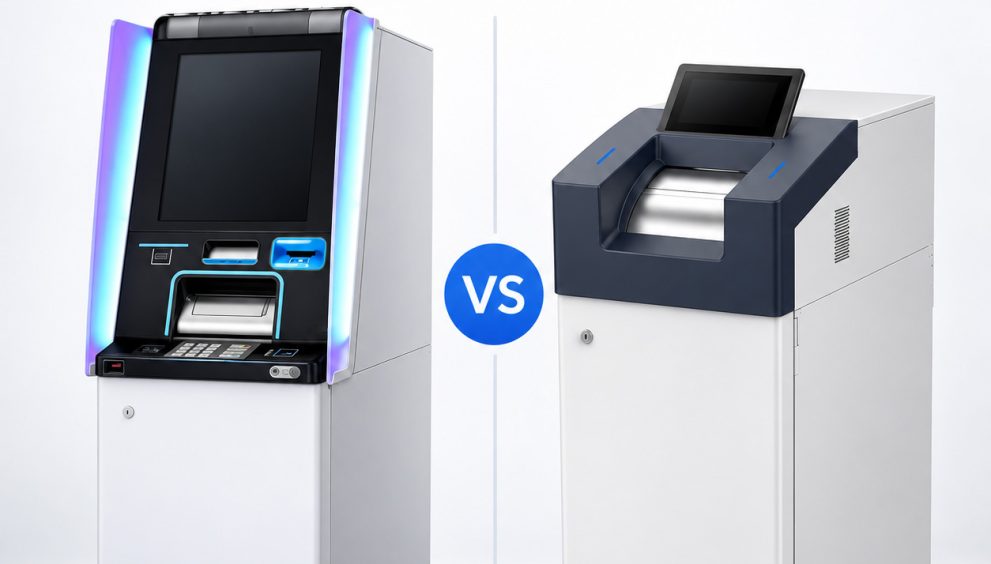
Both systems automate parts of cash handling, improve visibility, and can reduce manual counting. Their value, however, comes from different workflows. A recycler is primarily a cash circulation device. A smart safe is primarily a secure deposit and accountability device. Confusing those roles can lead to an expensive deployment that solves only part of the underlying problem.
Cash recyclers versus smart safes: the operating distinction
A cash recycler accepts notes, validates them, stores them by denomination, and returns suitable notes for future transactions. In a bank branch, teller cash recycler, or assisted self-service setting, the machine can use deposited cash to fund withdrawals. That reduces the need for staff to count, sort, and replenish cash repeatedly during the day.
The operational benefit is not simply lower cash on hand. It is a more controlled circulation loop. When configured and integrated correctly, the device creates transaction-level records, applies note validation rules, and maintains a view of inventory by denomination. Staff can conduct transactions at the device rather than moving cash between drawer, counter, vault, and cash room.
A smart safe accepts and validates deposits, records them, and secures the notes until collection. In many merchant environments, the key commercial feature is provisional credit or deposit recognition based on validated cash in the safe, subject to the bank’s agreement and risk controls. The cash remains in the device or associated deposit process until a cash-in-transit provider collects it.
That distinction matters. A smart safe normally does not make accepted cash available for withdrawal or change transactions. It may reduce back-office counting, shrink exposure during store close, and improve deposit accountability, but it does not replace the cash-dispensing function of a recycler.
Where cash recyclers fit best
Cash recyclers are most compelling where the same location has a recurring cycle of cash deposits and cash withdrawals. Traditional bank branches remain the clearest example, particularly those balancing transaction migration with a continued need for cash service. Credit unions, high-volume service counters, and some cash-intensive self-service locations can face similar conditions.
The strongest case usually combines three factors: meaningful transaction volume, repeat use of common denominations, and a need to reduce teller handling time. A branch that receives frequent deposits but has little withdrawal activity may capture only part of a recycler’s potential. Conversely, a location with steady withdrawal demand and limited deposit intake may still benefit from cash automation, but inventory replenishment and denomination mix become more central to the business case.
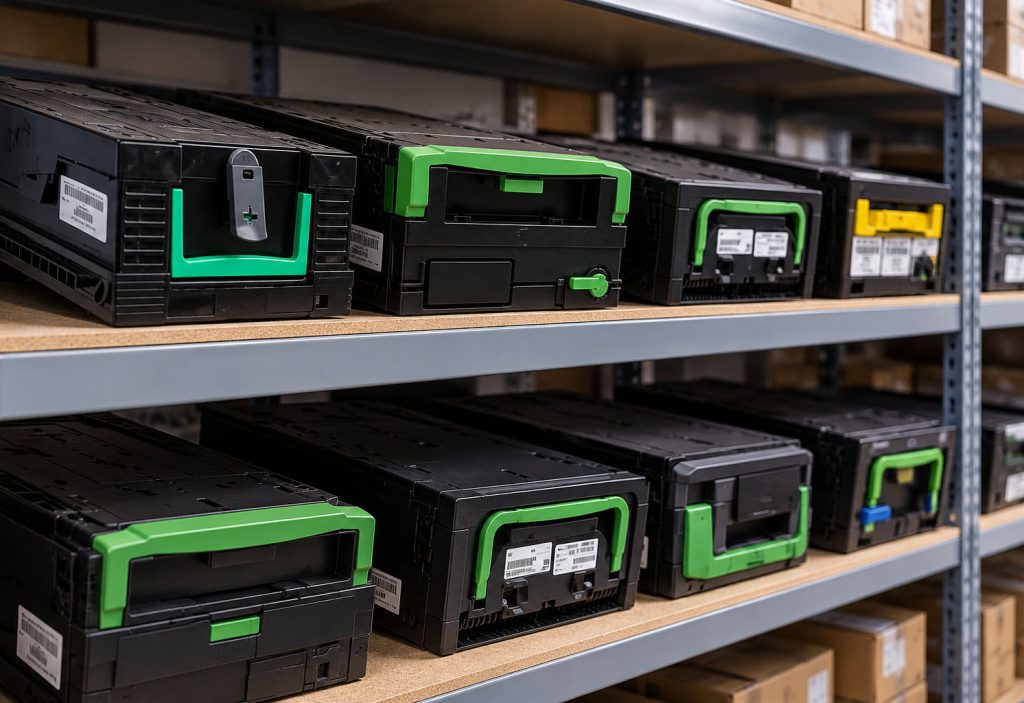
Field operations should examine peak-hour behavior rather than relying on daily averages. A device that appears adequately sized based on total transactions can become a constraint if several tellers need access during a short lunch-hour or end-of-day window. Cassette capacity, accepted-note throughput, reject handling, and the process for escrow exceptions all affect whether the device improves or complicates the line-of-business workflow.
Cash recycling also introduces a higher level of dependency on note quality management. Notes returned to customers must meet the institution’s fitness standards and the device’s operating parameters. High reject rates may signal poor cash quality, settings that need review, or a mismatch between the device configuration and the notes circulating in that market. Those issues are operationally manageable, but they need ownership across branch operations, cash management, and service teams.
Where smart safes fit best
Smart safes are generally better aligned to retail, hospitality, restaurants, fuel, grocery, and other merchant environments where cash accumulates through the day and is deposited for collection. The objective is less about recirculating notes and more about reducing the risk, labor, and uncertainty surrounding deposits.
A well-designed smart-safe program can move cash accountability closer to the point of deposit. Instead of employees counting bags, preparing paperwork, storing cash overnight, and waiting for bank verification, the safe validates notes and creates a record when the cash enters the device. That record can support balancing, exception review, and deposit reporting.
The economic case often depends on the relationship among the merchant, its financial institution, and the cash-in-transit provider. Earlier credit availability can be valuable to a merchant, but it changes the bank’s risk position. The institution may be relying on device validation, physical security, connectivity, collection controls, insurance arrangements, and merchant operating discipline before it has physical possession of the cash.
For that reason, smart-safe deployments should not be treated as a hardware installation alone. Deposit limits, user access, deposit timing, collection schedules, dispute processes, and provisional-credit rules must be defined before rollout. A safe that records cash accurately can still create avoidable exceptions if store procedures are inconsistent or if collection data cannot be reconciled reliably with safe activity.
Integration and reconciliation are often the deciding factors
The visible equipment is only one layer of the decision. A recycler may need to connect with teller applications, core banking workflows, branch cash forecasting, transaction journals, and service-management systems. A smart safe may need connectivity to merchant reporting, deposit systems, treasury platforms, armored carrier data, and bank credit workflows.
The key question is not whether an application programming interface exists. It is whether the organization can establish a dependable system of record for the cash event. When was the note accepted? Which user or transaction was associated with it? What denomination mix was recorded? Did a collection occur as expected? If a variance appears, which team owns the investigation?
Reconciliation design deserves early attention. In a recycling environment, teams need to distinguish physical device inventory from teller accountability and general ledger positions. In a smart-safe environment, they need to reconcile validated deposits, provisional credits, carrier pickups, and final cash verification. The more automated the process becomes, the more damaging unclear exception ownership can be.
Connectivity outages are another practical test. Equipment should have defined behavior when the network is unavailable, including local transaction journaling, user messaging, transaction limits, and recovery procedures. Operations teams should know whether activity can continue offline, how records are synchronized afterward, and what evidence is available if a transaction is disputed.
Service models differ more than buyers expect
Cash recyclers typically require more frequent attention to mechanical condition, note transport performance, cassette configuration, software parameters, and cash-quality issues. Their service model needs technicians who understand both the equipment and the transaction environment. A fault that prevents dispensing during branch hours has immediate customer-service consequences.
Smart safes also require disciplined service support, but the failure modes are different. A deposit acceptance problem can force staff back to manual counting and traditional bank deposits. A collection delay can create capacity constraints or complicate provisional-credit exposure. Physical access procedures, safe door events, printer or receipt issues, communications alarms, and carrier coordination can all become service tickets.
Neither platform eliminates cash processes. Each reallocates them. A recycler shifts more of the work into controlled automated circulation. A smart safe shifts it toward validated deposit capture and managed collection. The right service-level agreement should reflect the cost of interruption for that specific location, not a generic uptime target.
How to make the selection
Organizations evaluating either platform should start with observed cash flows: deposits, withdrawals, denomination mix, peak periods, cash holding time, exceptions, and collection frequency. Then they should model the surrounding process, including staff roles, vault activity, carrier service, reconciliation, and the effect of a device outage.
A recycler is usually justified when recirculation can materially reduce cash handling and replenishment inside the location. A smart safe is usually justified when validated deposits, security, and faster funds availability matter more than local cash reuse. In some larger ecosystems, both can coexist, serving different points in the cash cycle.
The most useful question is not which device is more advanced. It is where cash loses time, control, or accountability in the current operation. The answer will usually point to the technology that belongs at that point in the process.