


Bank Branch Transformation Technology

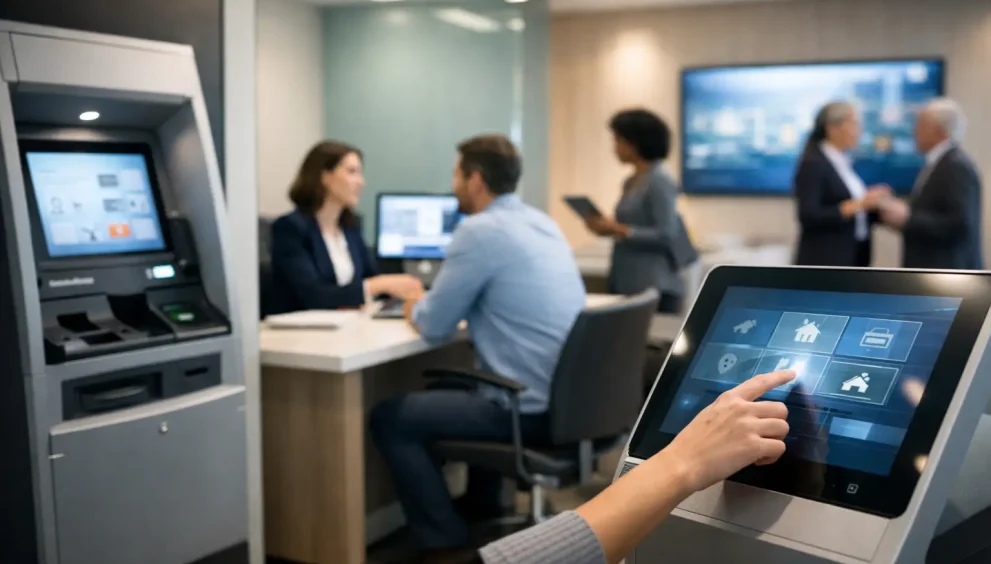
A branch redesign usually looks simple from the customer side – fewer teller positions, more self-service, a smaller footprint, and a cleaner digital layer across the lobby. On the banking operations side, bank branch transformation technology is rarely simple. It changes hardware strategy, software orchestration, field service models, security controls, network dependencies, and the division of work between branch staff and self-service channels.
That complexity matters because branch modernization is no longer just a facilities project or a customer experience initiative. For many institutions, it is an infrastructure decision with long-term consequences for cash handling, ATM availability, assisted service, device interoperability, and service economics. The branch is still relevant, but its role is shifting from transaction center to service hub, sales point, and self-service node.
What bank branch transformation technology actually includes
The phrase gets used broadly, sometimes too broadly. In practical terms, bank branch transformation technology refers to the systems and devices that allow a branch to operate with fewer manual touchpoints and more integrated customer journeys. That usually includes cash recyclers, teller cash automation, video banking endpoints, interactive teller machines, branch kiosks, appointment and queue platforms, digital signage, identity verification tools, remote support capabilities, and the software layers that connect those systems to core banking, security, and service management environments.
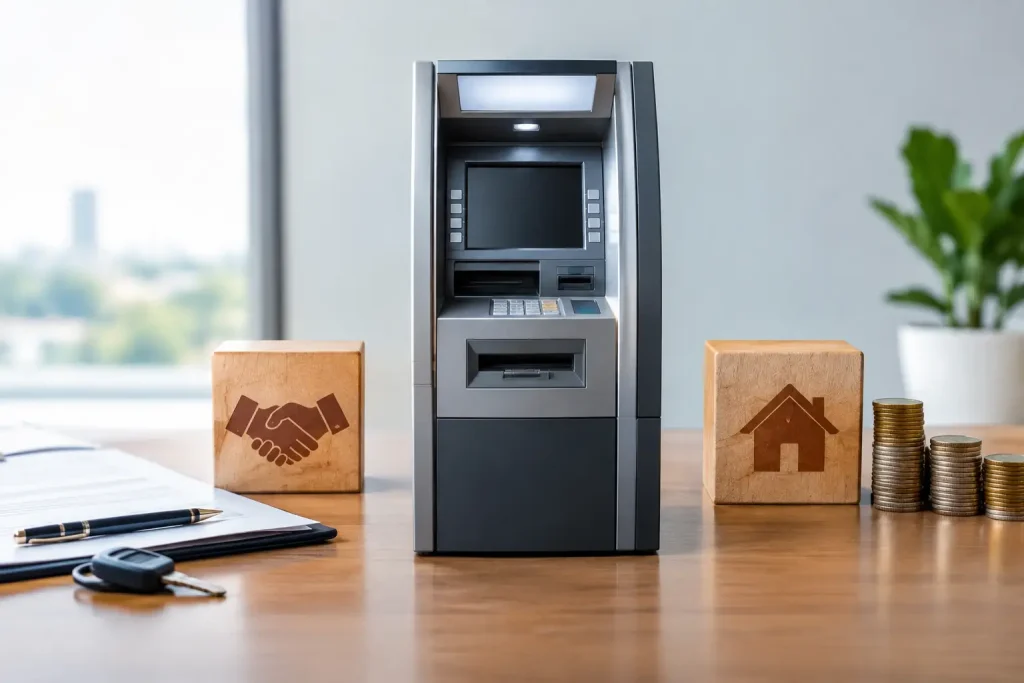
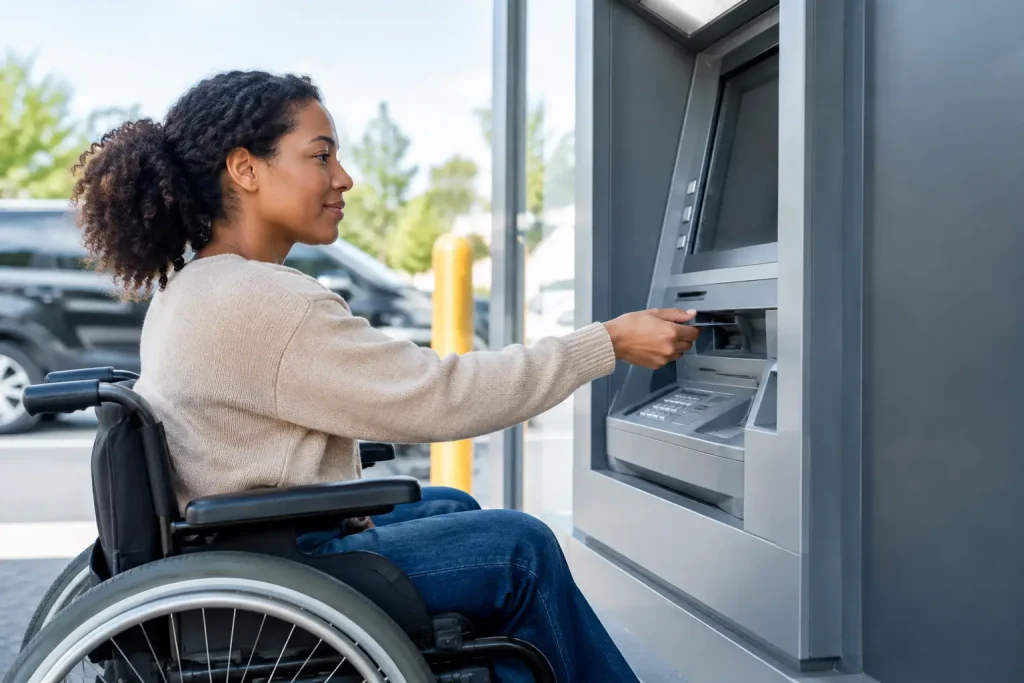
ATMs remain part of this picture, but their role often expands. In a transformed branch model, the ATM is not just an off-hours cash dispenser placed near the vestibule. It can become a higher-function endpoint within a broader self-service strategy, handling cash and check deposits, bill payments, cardless access, statement printing, or assisted workflows tied to branch staff and contact center teams.
The technology stack also extends behind the visible estate. Device management, remote monitoring, transaction routing, cybersecurity controls, software distribution, and analytics all shape whether a branch transformation program actually performs as expected after deployment.
Why branch transformation is being driven by operations, not just design
There is still a tendency to discuss branch modernization as a response to customer preference alone. That is only part of the story. The stronger driver is operational pressure.
Banks are dealing with rising labor costs, uneven branch traffic, aging device fleets, and the need to maintain service consistency across different branch formats. A traditional full-service branch staffed for peak transaction volumes is increasingly difficult to justify in many markets. At the same time, fully digital models do not eliminate demand for physical access, especially for cash-intensive users, small businesses, older customers, and exception-based service needs.
This is where branch transformation technology becomes more than a channel upgrade. It offers a way to redistribute work. Routine transactions can move from teller lines to self-service endpoints. Cash handling can move from manual balancing to automated recycling. Specialist support can move from on-site staffing to remote assistance. But each shift creates new dependencies. If a recycler goes down, or an interactive teller endpoint loses connectivity, branch staffing assumptions can fail quickly.
That is why the strongest transformation programs are usually grounded in operating model design rather than equipment procurement. The question is not just which device to install. It is how the branch will function when customer mix, transaction volume, service windows, and equipment uptime vary over time.
The branch is becoming a mixed-service environment
One of the clearest trends in bank branch transformation technology is the move away from fixed-format branch design. Banks are increasingly operating a mix of full-service branches, smaller advisory formats, kiosk-led locations, remote-assisted branches, and branches where self-service handles most cash activity.
That flexibility can reduce overhead, but it also increases complexity for deployment teams and service organizations. A standardized branch used to mean a more predictable support model. A mixed estate means more variation in hardware, software, connectivity, transaction types, and field service requirements.
Self-service devices are carrying more of the branch workload
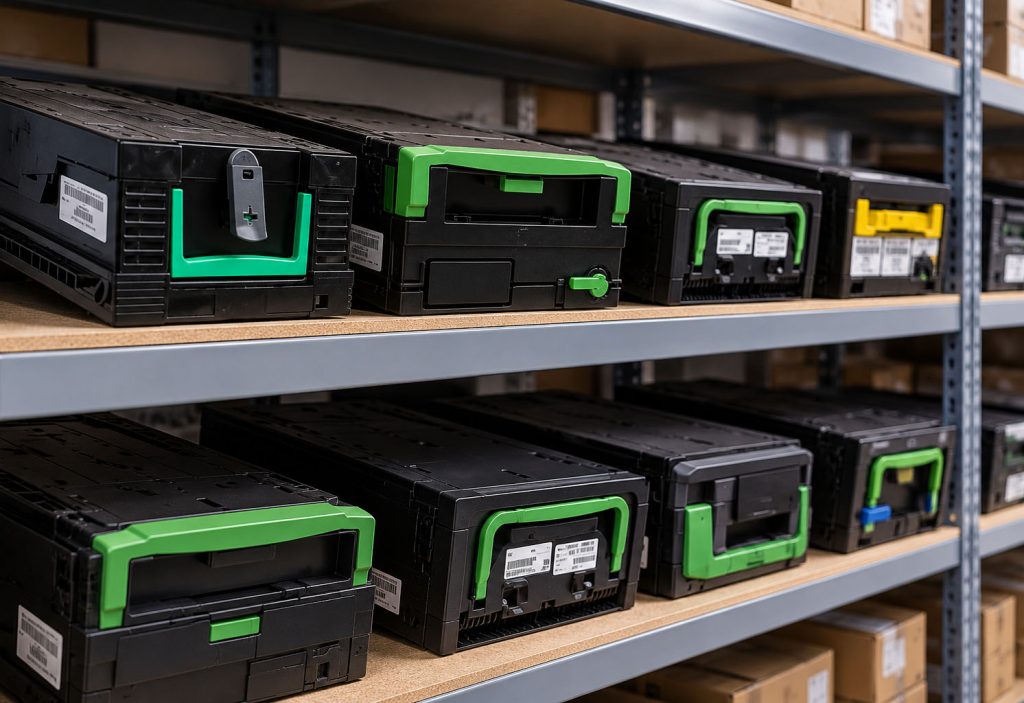
Cash recyclers and multifunction self-service terminals are central to this shift. When they work well, they reduce teller intervention, improve cash visibility, and support longer service availability. They can also improve branch balancing processes and reduce idle cash levels.
But the trade-off is obvious to anyone managing field operations. The more work a device absorbs, the more operational risk it represents when it fails. A branch that depends heavily on automation needs stronger incident response, better remote diagnostics, disciplined cash forecasting, and clear fallback procedures for branch staff.
Remote assistance changes staffing assumptions
Video banking and interactive teller models can extend service coverage without adding full branch headcount in every location. For low-volume branches or extended-hour formats, that can be attractive. It also allows institutions to centralize specialized staff.
Still, remote assistance is not universally effective. It depends on customer acceptance, network stability, audio and video quality, and the bank’s ability to integrate remote workflows into routine operations. In some markets, customers adapt quickly. In others, they continue to prefer direct in-person engagement for anything beyond a basic transaction.
Bank branch transformation technology depends on software discipline
Hardware tends to get the attention, but software integration usually determines whether the branch model is sustainable. A modern branch may include devices from different vendors, layered with different management tools, transaction applications, and monitoring environments. If those systems do not exchange data reliably, the branch becomes harder to support, not easier.
This is where interoperability matters. Financial institutions want device estates that can be monitored centrally, updated without excessive manual intervention, and aligned with broader channel strategies. That often leads to renewed interest in open architectures, middleware layers, and service management platforms that can reduce vendor lock-in and improve fleet visibility.
Software discipline also affects patching and security. A transformed branch usually has more endpoints, more remote access functions, and more dependence on persistent connectivity. That increases the attack surface. Banks modernizing the branch without modernizing endpoint management and network segmentation are taking on avoidable risk.
The service model has to change with the branch model
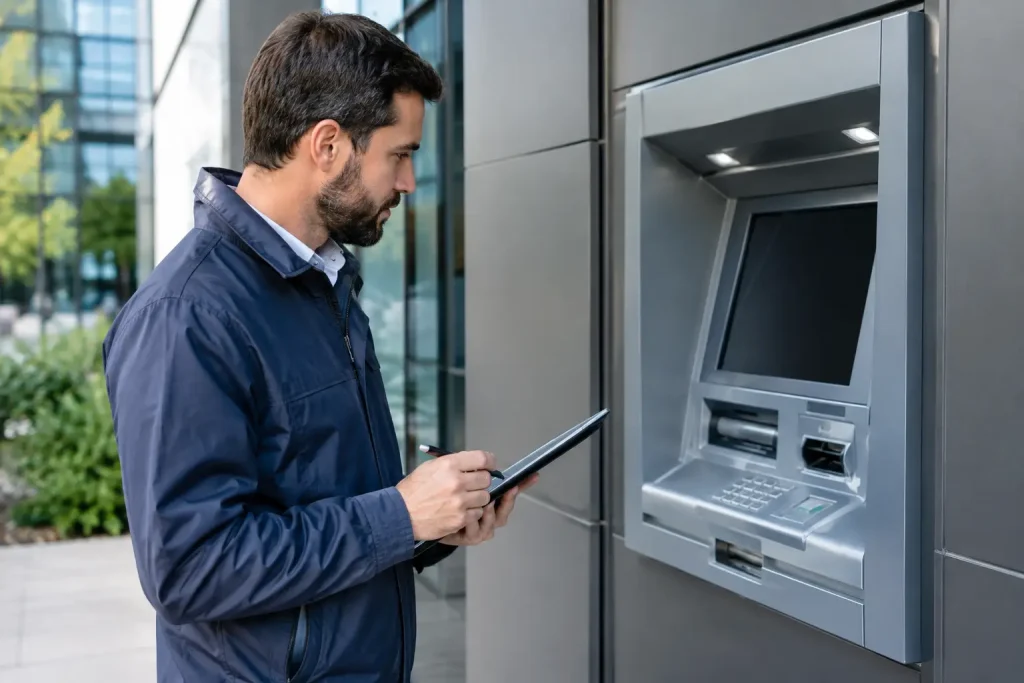
Branch transformation projects often underestimate the operational changes required after go-live. New devices are installed, transaction migration targets are set, and staffing plans are adjusted. Then the daily realities begin: increased first-line support questions from branch teams, changes in cash replenishment patterns, more software dependencies, and more pressure on field technicians to resolve issues quickly.
For service leaders, this means the branch of the future cannot be supported with yesterday’s assumptions. Technician training has to cover not only hardware replacement and preventive maintenance, but also connectivity issues, peripheral behavior, software health, and user workflow problems. Dispatch models may need to change if smaller branches have less on-site redundancy and therefore lower tolerance for device downtime.
There is also a planning issue around spare parts and lifecycle management. A transformed branch may use fewer devices overall, but each device may be more functionally critical. That changes how banks and service partners think about stocking, swap strategies, and refresh timing.
Measuring success takes more than transaction migration
Banks often evaluate transformation through visible metrics such as reduced teller transactions, smaller branch footprints, or increased digital adoption. Those metrics matter, but they are incomplete.
A more realistic assessment includes uptime by service type, incident frequency, mean time to repair, cash availability, assisted-service utilization, staff intervention rates, and customer abandonment during self-service or remote sessions. If transaction migration rises but downtime also rises, the model may be shifting cost rather than reducing it.
The same applies to customer experience. A branch with advanced automation can still underperform if workflows are confusing, queue management is weak, or staff are not prepared to move customers confidently between assisted and self-service channels. Technology can support the model, but branch behavior has to support it too.
What institutions should watch next
The next phase of bank branch transformation technology will likely be less about headline device launches and more about orchestration. Banks are moving toward environments where ATMs, recyclers, kiosks, branch systems, and remote service platforms operate as part of a coordinated service layer rather than isolated tools.
That shift will favor vendors and institutions that can simplify management, improve interoperability, and support mixed branch formats without creating excessive service burden. It will also place more attention on software maintainability, network resilience, and security hygiene across distributed self-service estates.
Not every branch needs the same answer. High-traffic urban sites, supermarket branches, rural locations, and advisory-led branches all have different constraints. The practical goal is not to digitize every branch in the same way. It is to build a service model that matches local demand while staying supportable at scale.
That is where many transformation efforts succeed or fail. The technology itself is no longer the main question. The harder question is whether the institution can operate what it deploys, support it consistently, and adapt when branch economics or customer behavior change. The banks that keep that operational discipline in view are more likely to get lasting value from the branch formats they are building now.