




ATM Keypads: Small Component, Major Risk

A keypad failure can take an otherwise healthy ATM out of service. A keypad that still accepts a PIN but has worn legends, poor tactile response, or a compromised privacy design can create a different kind of problem: customer distrust, increased fraud exposure, and avoidable calls to the help desk. ATM keypads are a small part of the terminal bill of materials, but they sit directly on the transaction path and deserve more attention in fleet planning.
For operators, the question is not simply whether a keypad meets a security standard at installation. It is whether the component will remain secure, usable, supportable, and compatible through years of environmental exposure, software changes, field repairs, and evolving attack methods.
ATM keypads are security devices, not just input hardware
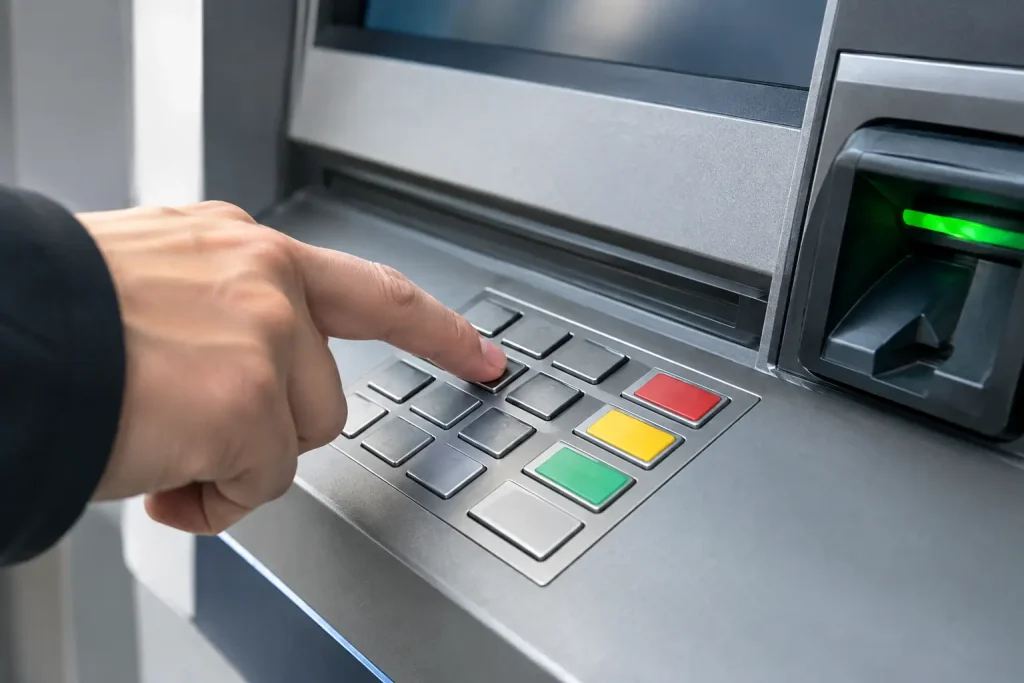
The keypad is where a cardholder enters a PIN, which makes it part of the ATM’s cryptographic security boundary. In most modern deployments, the relevant device is an encrypting PIN pad, or EPP. It encrypts PIN data within protected hardware before transmission to the terminal controller and, ultimately, the transaction-processing environment.
That distinction matters when teams evaluate replacement parts or refurbishment options. A consumer-grade keypad may resemble an ATM keypad mechanically, but it does not provide the tamper protections, key-management controls, encryption functions, and certification profile required for PIN entry. Substituting components outside an approved hardware configuration can create compliance issues and introduce real security gaps.
Security is also not static. EPPs have defined cryptographic capabilities, firmware dependencies, and key-loading procedures. A terminal may remain physically operational while falling behind current requirements for encryption algorithms, key blocks, remote key loading, or payment-network expectations. Fleet managers should treat keypad lifecycle status as part of the same planning discipline applied to operating systems, communications modules, and card-reader configurations.
Tamper response has operational consequences
A properly designed EPP is intended to detect physical intrusion and protect sensitive keys when tampering is suspected. The response can render the device unavailable until it is replaced or reinitialized. From a security perspective, that is the correct behavior. From a field-service perspective, it means a damaged bezel, an improper removal attempt, or an unauthorized repair can become a terminal-down event.
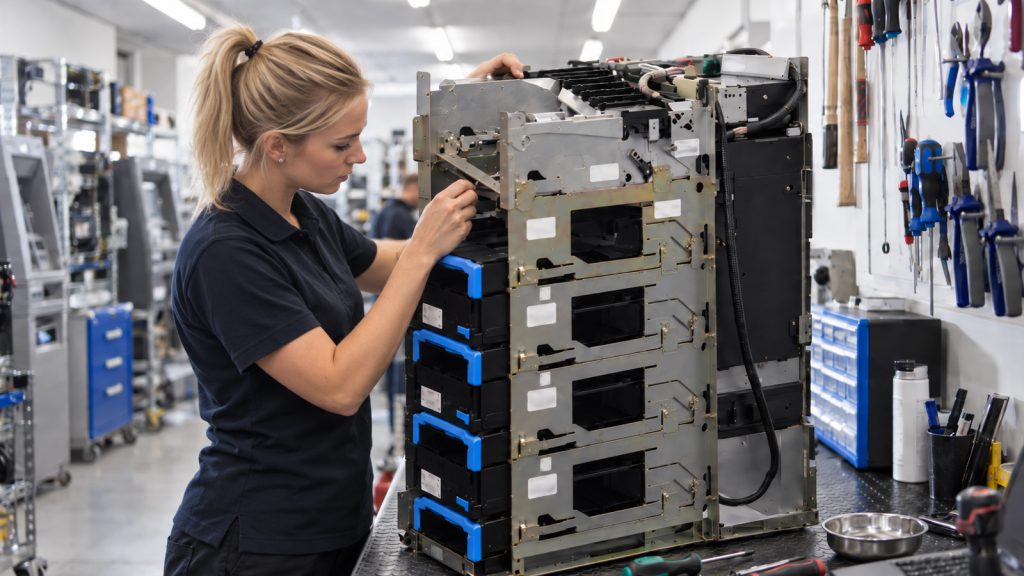
This is why service documentation and technician training matter. Keypad replacement is not merely a mechanical swap. Teams need clear guidance on approved part numbers, handling procedures, serial-number controls, firmware versions, key-injection status, and post-repair testing. The process varies by manufacturer and terminal generation, but the underlying control is consistent: a sensitive component requires a controlled chain from warehouse to installation.
Durability is a fleet-performance issue
Keypad wear rarely appears in a single dramatic failure. More often, the signs accumulate: keys become less responsive, printed legends fade, backlighting becomes uneven, seals degrade, and the surrounding fascia loosens. In high-volume locations, especially drive-up units and terminals exposed to weather, those issues can emerge well before an ATM reaches the end of its expected service life.
A keypad must withstand repeated presses, cleaning chemicals, temperature shifts, moisture, dust, ultraviolet exposure, and occasional abuse. The appropriate design depends on placement. An indoor branch lobby terminal may prioritize appearance and customer comfort. An exterior terminal may need stronger ingress protection, more durable materials, reliable illumination, and a design that resists water entering the interface around the keys.
Procurement decisions sometimes focus heavily on initial component price. That can be misleading when a lower-cost option produces more truck rolls, higher out-of-service time, or a shorter replacement cycle. The relevant calculation includes labor, spare inventory, shipping, terminal access, configuration work, and the lost transactions associated with downtime. In a distributed fleet, modest differences in failure rates become meaningful operating costs.
Tactile condition affects customer behavior
Cardholders do not distinguish between a keypad issue and an ATM issue. If a key sticks, a PIN entry feels uncertain, or the numbers are difficult to see at night, they may abandon the transaction or press keys repeatedly. That can lead to PIN retries, transaction delays, or a perception that the machine is unsafe.
Accessibility should be considered in the same review. Raised key markers, key spacing, contrast, lighting, audible feedback where supported, and the physical placement of the PIN-entry area all influence usability. Requirements may vary by jurisdiction and deployment context, but operators should avoid treating accessibility as a final compliance check. A keypad that is easier to use correctly also reduces friction for every customer.
Fraud controls extend beyond encryption
Encryption protects PIN data, but it does not by itself stop an overlay, a hidden camera, or a social-engineering attempt directed at a customer. The physical keypad area remains a target for fraud because it provides attackers with an opportunity to capture PINs or persuade users that an altered terminal is legitimate.
Anti-skimming inspections should therefore include the keypad, privacy shield, fascia seams, lighting, and any evidence of changed fit or finish. Field teams know that visual checks can be subjective, particularly across mixed fleets with multiple terminal vintages. Standardized inspection photos, baseline images by model, and clearly defined escalation procedures make the process more reliable.
Some designs incorporate anti-fraud features that make overlays harder to install or easier to detect. Those features can be useful, but their value depends on installation quality and ongoing maintenance. A loose or damaged privacy shield, for example, may not be a cryptographic failure, yet it can undermine the customer-facing protections that make PIN capture more difficult.
Operators should also avoid assuming that newer hardware eliminates the need for inspection. Attack methods change, and criminals often select targets based on location, transaction volume, service frequency, and physical access rather than terminal age alone.
Serviceability often determines the real cost
A secure, durable keypad still creates operational trouble if replacement procedures are slow or parts are difficult to source. For that reason, serviceability should be assessed before a fleet standard is set, not after failures begin. Questions worth asking include whether the EPP can be replaced in the field, whether the part requires a controlled key-loading process, what diagnostic information the terminal exposes, and how long it takes to return the unit to service.
Mixed fleets add complexity. Different OEMs and terminal generations may use different EPP interfaces, mounting systems, firmware tools, and loading processes. A service organization can manage this environment, but only with disciplined asset records. Each terminal’s model, keypad type, firmware level, security status, and approved replacement part should be readily available to dispatch and technical support.
Spare strategy also deserves attention. Carrying too little inventory extends outages, particularly when secure components have longer lead times or must move through restricted logistics channels. Carrying too much inventory can be expensive and may leave operators holding parts that are nearing end-of-support status. The right level depends on fleet size, failure history, geography, vendor lead times, and the criticality of each location.
Modernization plans should account for the keypad early
ATM modernization projects often begin with software, connectivity, transaction functionality, or an aging operating system. The keypad can be overlooked until integration or certification work reveals an incompatibility. That creates schedule pressure at precisely the point when teams are trying to standardize builds and control rollout risk.
A better approach is to include the EPP in the early hardware inventory and target-state design. Determine whether the installed keypad supports the intended cryptographic roadmap, whether its firmware is maintained, whether it works with planned terminal software, and whether replacement will affect certification, key loading, or field procedures. The answer may be to retain the existing hardware, replace it during a broader refresh, or create a staged exception plan for particular terminal models.
There is no universal replacement interval. A low-volume, climate-controlled ATM with a supported EPP may have years of useful life remaining. A high-volume exterior unit with visible wear, recurring keypress complaints, or a component approaching support limits deserves a faster decision. The key is to use condition, security posture, and supportability together rather than relying on age alone.
The most effective keypad programs are usually unremarkable: approved hardware, controlled handling, trained technicians, accurate records, and routine inspections. That discipline keeps a component customers barely notice from becoming the reason an ATM cannot complete its most basic transaction.