



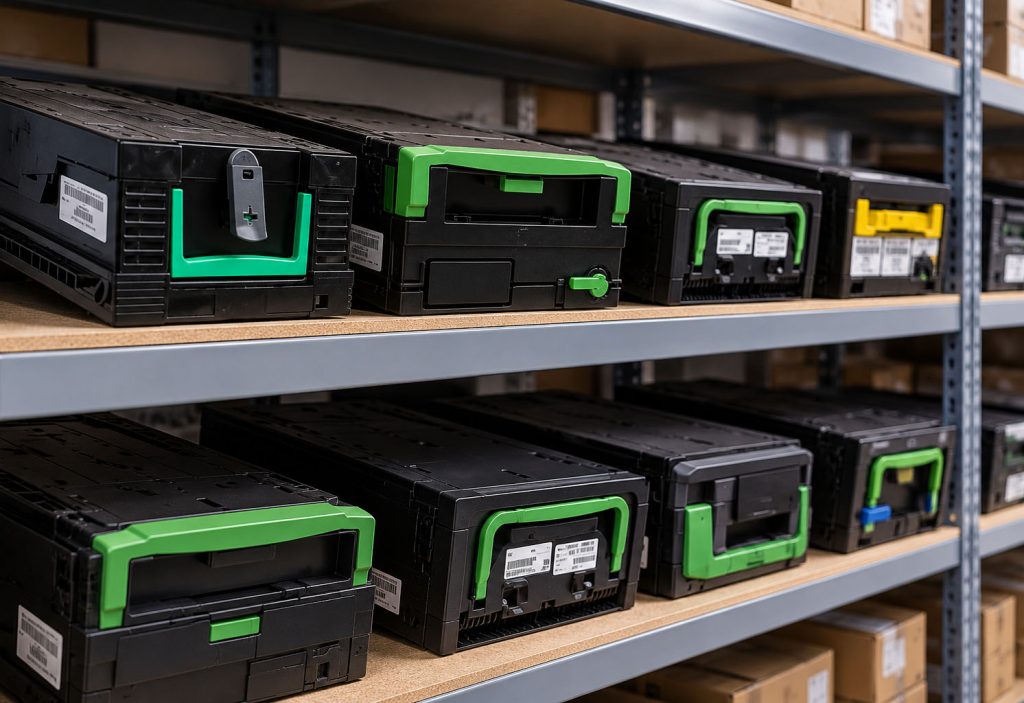


ATM Standardization Remains One of the Industry’s Biggest Operational Challenges

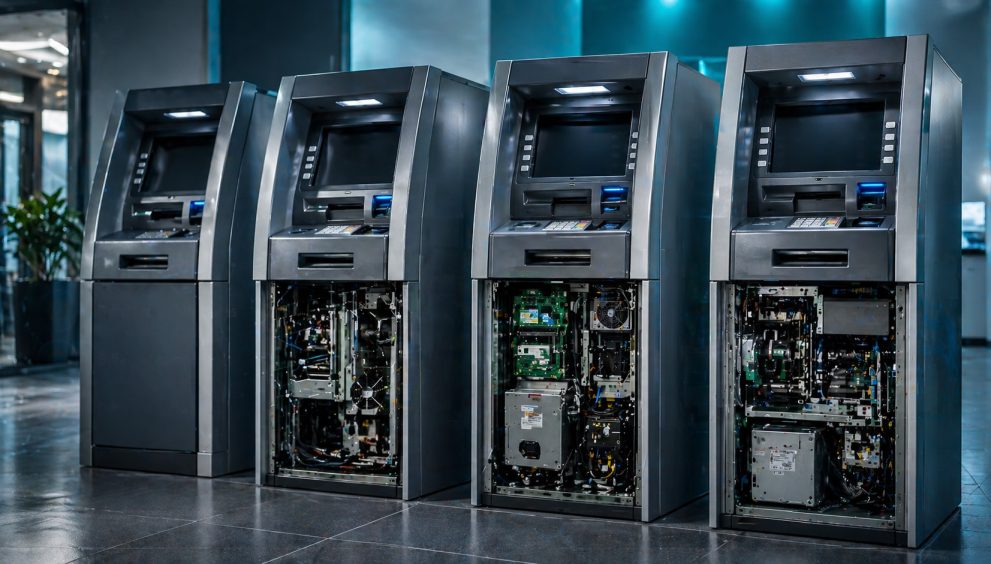
At first glance, modern ATM networks may appear increasingly standardized. Shared software platforms, modular hardware, remote management, and global product families all suggest a more unified service environment than ever before.
In practice, however, many service organizations continue to work with highly diverse fleets made up of multiple hardware generations, regional variations, legacy upgrades, and vendor-specific configurations. Two machines with nearly identical external appearances may still differ significantly in internal architecture, software dependencies, security mechanisms, or service procedures.
This lack of standardization affects far more than just engineering workflows. It influences training requirements, spare parts logistics, deployment planning, software compatibility, and ultimately the consistency of field operations.
For financial institutions operating large or geographically distributed networks, standardization is often discussed as a long-term objective. Yet in reality, infrastructure lifecycles, regional requirements, and operational constraints make complete uniformity difficult to achieve.
As ATM networks continue to modernize, one question remains highly relevant:
Is true standardization realistic, or is adaptability becoming the more valuable strategy?