



ATM Modernization Is an Operating Model Decision

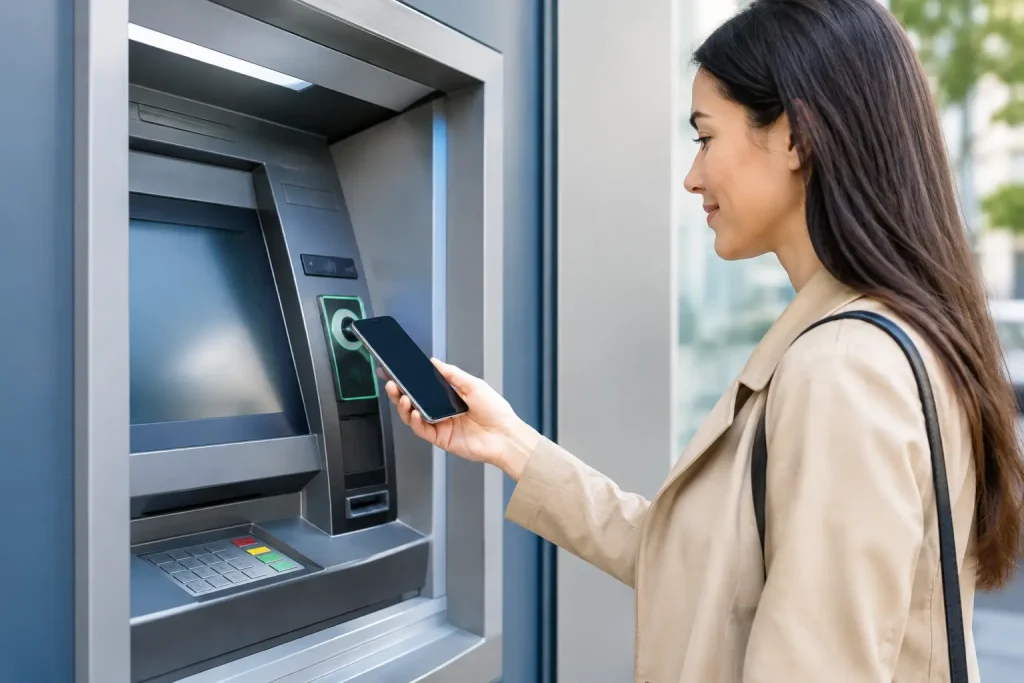
A fleet can look modern from the lobby while still carrying the same operational constraints behind the fascia. Replacing an aging terminal with a new model may improve availability, accessibility, and customer experience, but ATM modernization only delivers durable value when the hardware, software, network, cash process, and service model advance together.
For financial institutions, independent deployers, and managed service providers, the central question is not whether older ATMs should be replaced. Many clearly should be. The harder question is what operating model the replacement program is meant to support over the next seven to 10 years.
ATM modernization is more than a refresh cycle
A conventional refresh program is often driven by end-of-support deadlines, repeated component failures, security exposure, or a need to meet updated accessibility requirements. Those are valid triggers. They do not, by themselves, define a modernization strategy.
Modernization addresses the dependencies around the terminal. That includes the operating system and application stack, remote-management capability, security controls, transaction routing, device middleware, cash forecasting, first-line maintenance, and vendor support arrangements. A project that improves only one layer can leave the organization with a newer machine but the same costly processes.
Consider remote software distribution. A new terminal platform may support centralized updates, but the benefit is limited if the institution lacks reliable asset records, standardized configurations, change-control discipline, or sufficient network capacity at lower-volume locations. Similarly, recycling hardware can reduce cash handling and improve note availability, but only when cash operations, reconciliation rules, and service procedures are prepared for a different flow of currency.
This is why modernization plans often stall after an initial pilot. The equipment performs as expected, yet the organization discovers that deployment, support, and exception handling have not been designed at fleet scale.
Start with the operating problems, not the equipment catalog
The most useful modernization business cases begin with evidence from the current fleet. Availability data, repeat dispatches, software exceptions, cash-out frequency, communication failures, security incidents, and time-to-repair reveal where the operating model is under pressure.
A high number of dispenser-related calls may point to aging hardware, but it can also reflect cash quality, cassette loading practices, or incomplete preventive maintenance. Persistent out-of-service time may result from slow parts logistics or unclear responsibility between the institution, network operator, and field service provider. Hardware replacement will not correct every cause.
A practical assessment should separate issues into three categories: terminal limitations, infrastructure limitations, and process limitations. The distinction matters because each category has a different remedy and owner. It also prevents a fleet replacement from becoming a catch-all response to problems that belong in service governance or network engineering.
Define the desired service model
Before selecting a platform, organizations should be clear about what the future fleet needs to do operationally. That might include supporting cash recycling at selected locations, reducing truck rolls through better diagnostics, standardizing software images, enabling assisted self-service in branches, or improving transaction recovery after network interruptions.
Not every location needs the same capability. A high-volume branch lobby, a drive-up lane, a retail placement, and an off-premises cash dispenser have different transaction profiles, physical risks, service windows, and cash economics. Standardization is valuable, but forcing a single configuration onto every site can raise costs without improving performance.
The objective is usually a controlled set of approved configurations rather than one universal machine. That gives operations teams enough consistency to manage inventory, training, and software releases while preserving room for site-specific requirements.
The software stack is where fleet complexity accumulates
Many ATM fleets carry years of accumulated software decisions. Operating system versions, device drivers, middleware, terminal applications, host protocols, remote-management agents, and security components may have been updated at different times by different parties. The result is a fleet that appears standardized in asset reports but behaves differently in the field.
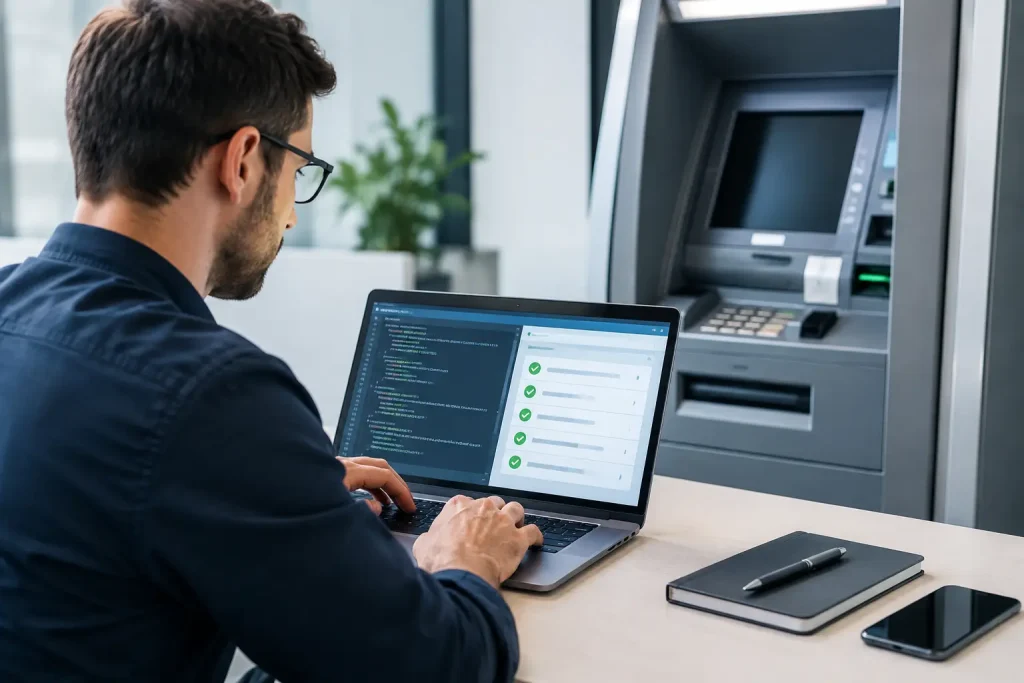
ATM modernization should therefore include a disciplined software baseline. Teams need a documented answer to basic questions: Which application and middleware versions are approved? Which terminal models can run them? How are security patches tested and deployed? What is the rollback procedure if an update affects transaction processing or peripheral behavior?
Migration from older proprietary interfaces to more current standards can improve flexibility, but it is not automatically low risk. Existing host applications, interchange connections, estate-management tools, and support processes may depend on legacy message formats or device behaviors. The right path depends on the age of the host environment, the number of connected applications, vendor road maps, and the institution’s capacity to test thoroughly.
A gradual migration may be preferable when the installed base is large and operational tolerance for disruption is low. A more decisive transition can make sense when the legacy platform is approaching support limits and the organization has a defined testing environment. In either case, software modernization should be treated as a production change program, not a feature upgrade.
Security must be designed into deployment and support
Security modernization is often framed around physical attacks, encryption, anti-skimming measures, and compliance requirements. Those remain central. But an expanded software and connectivity footprint also increases the need for disciplined identity, access, and configuration controls.
Remote administration tools are valuable because they reduce unnecessary site visits and speed recovery. They also require clear role separation, authenticated access, audit logs, credential management, and procedures for offboarding vendors or technicians. An ATM is not simply another endpoint. It handles cash, payment credentials, and transactions that demand prompt investigation when anomalies occur.
Teams should also assess the field implications of security requirements. A control that is difficult to execute during a night dispatch or that depends on incomplete site documentation can create workarounds. Those workarounds become operational risk. Installation checklists, technician training, secure key-management procedures, and escalation paths need to match the equipment and the service environment.
Cash automation changes more than the vault
Cash recyclers and deposit automation can change the economics of self-service, particularly in branches where cash handling remains labor-intensive. They may reduce cash replenishment needs and improve note availability, but they also introduce new balancing, reconciliation, and exception-management demands.
The operating design should specify how recycled notes are handled, when cassettes are exchanged, who resolves suspect-note or reject-bin exceptions, and how cash discrepancies move from terminal alert to investigation. Service managers need visibility into these workflows before installation volumes increase.
Forecasting also becomes more consequential. Poor cash forecasting can erode the benefit of modern hardware by creating avoidable outages or excess cash holdings. Transaction trends, denomination mix, local events, branch hours, and replenishment schedules all affect results. The data is useful only if cash operations can act on it consistently.
Build deployment around field reality
Large ATM programs frequently underestimate the variation among sites. Power quality, communications availability, physical access, construction conditions, permits, branch schedules, carrier coordination, and local security procedures can all affect installation timing and acceptance testing.
A pilot should test more than the terminal. It should validate the full workflow: staging, image loading, key injection, shipping, installation, host certification, signage, cash loading, network monitoring, and service handoff. A pilot that succeeds only because senior technical staff are present does not prove the process can be repeated across hundreds of locations.
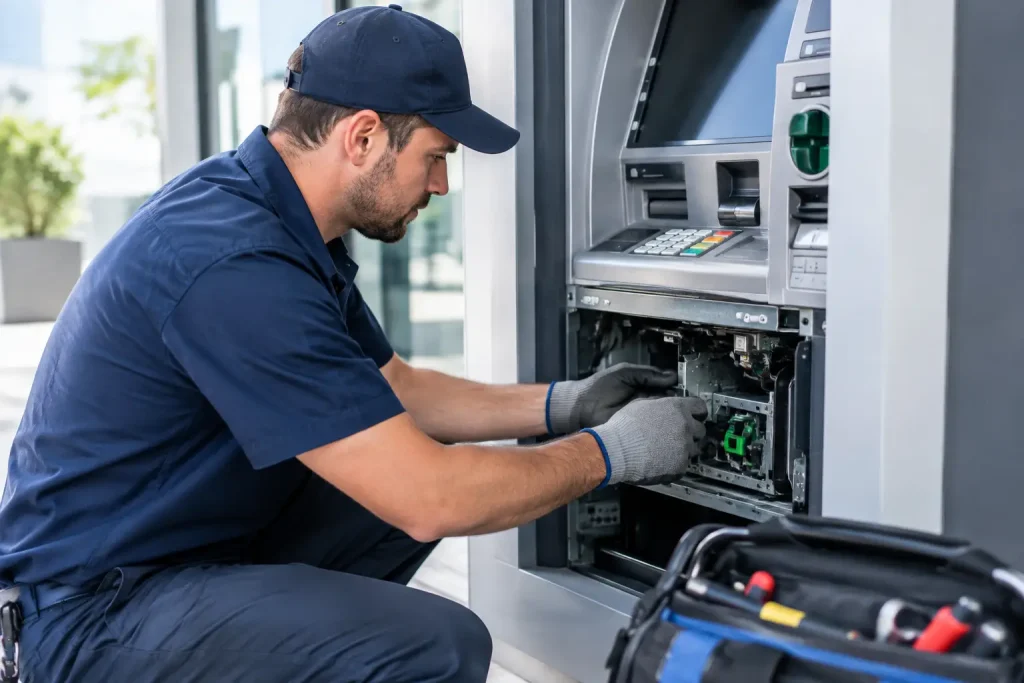
Field feedback should be formalized, not treated as anecdotal. Technicians and dispatch coordinators can identify recurring installation delays, weak documentation, missing spare parts, and configuration steps that are easy to miss. Their observations often reveal the difference between a design that works in a lab and one that can be supported at scale.
Measure outcomes after go-live
Modernization should have measurable operating targets. Availability is one indicator, but it is not enough. Organizations should monitor repeat incidents, mean time to repair, preventable truck rolls, software deployment success rates, cash-out events, transaction reversals, and the time required to resolve exceptions.
The metrics should also distinguish terminal failures from upstream issues. If a communications outage, host problem, or cash-management delay is recorded simply as an ATM outage, management loses the ability to direct corrective action to the right team. Clean event classification is less glamorous than a new terminal rollout, but it is essential to managing a modern fleet.
The strongest ATM modernization programs are not defined by a particular screen, recycler, operating system, or vendor announcement. They are defined by whether the organization can operate a more capable fleet with fewer avoidable exceptions and clearer accountability. That standard keeps attention on the work that continues after the first new terminal is installed.